Search in progress...
mai 2026
A watch face
Because it is the stage on which the spectacle of time is played out, the dial of a watch requires the very special attention that only craftsmen with specific know-how and extremely precise gestures can offer. The composition of a dial is in fact the fruit of a multitude of complex operations involving the assembly of various elements, often fragile, sometimes minute, but always of great finesse. Even on the simplest of dials, the task is invariably a delicate one.
What precision is required to perfectly affix the applied indexes and numerals? What dexterity must the craftsman develop to assemble the various layers that make up the dial of a timepiece? Whether he’s chiseling a moon phase, drawing a starry sky, cutting out a metal element, guilloche-cutting a mother-of-pearl surface or gilding a sub-dial, the dial-maker shows infinite attention to detail. By juggling techniques – engraving, enameling, setting, painting, marquetry, micro-mosaic, guilloché – and the immense variety of materials, the most common of which are gold, steel, enamel, mother-of-pearl or precious stones, the dial-maker shapes the face of the watch. At the frontiers of excellence, he passionately shapes the theater of time measurement.
Enamel, a rare treasure
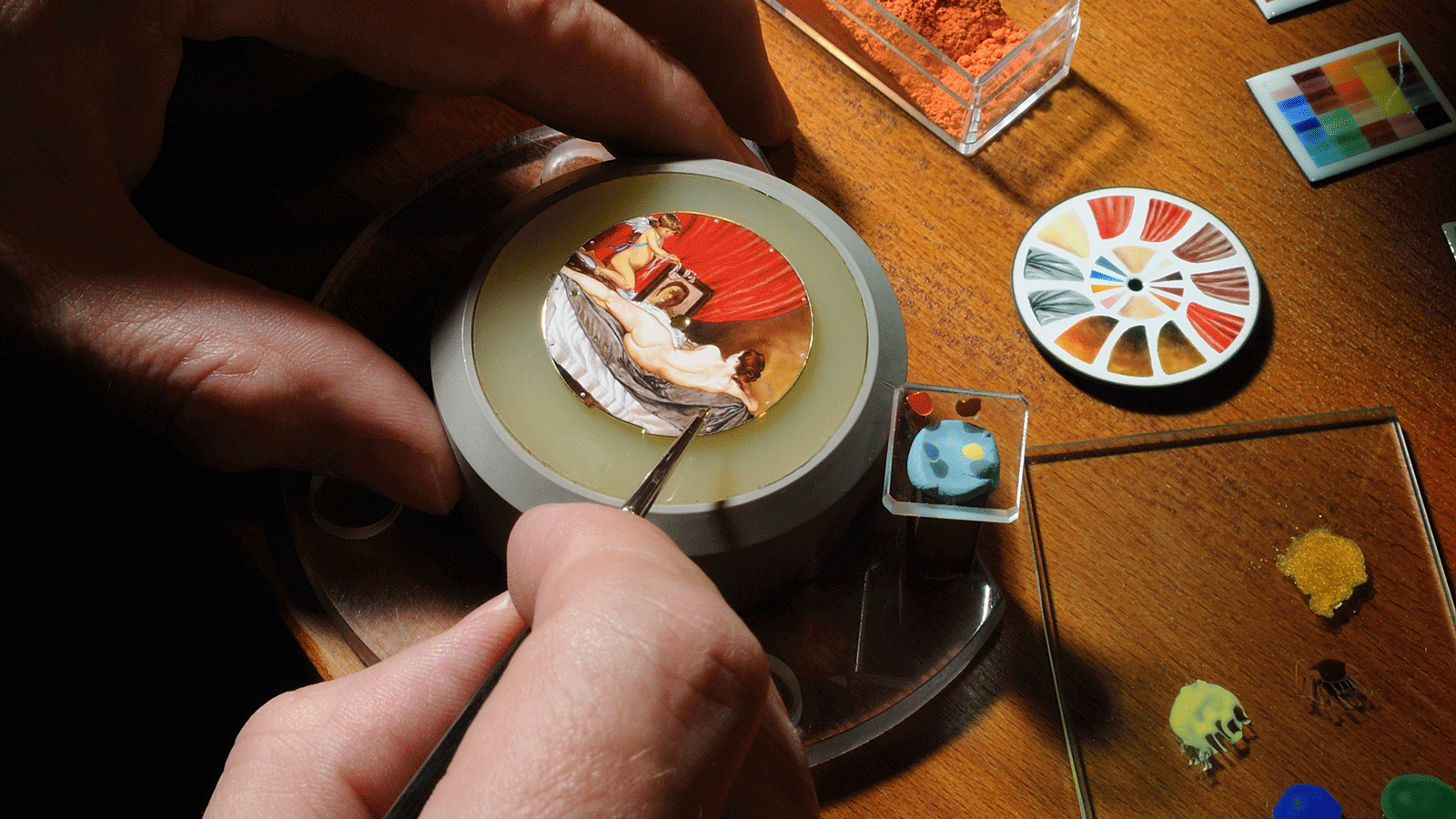
Born of a dialogue between patience, meticulousness, artistry and technical skill, enameling occupies a special place among dial decoration techniques. At Donzé Cadrans SA, the Locle-based enamelling specialist acquired by Ulysse Nardin in 2011, this art is cultivated by master craftsmen dedicated to the quest for excellence. Composed of silica, feldspar and kaolin, enamel is endlessly colored by the presence of various metal oxides. This mixture is then vitrified at very high temperatures. This infinitely delicate process is passionately orchestrated by the craftsmen of Donzé Cadrans, who use their expert hands to enhance the unique character of enamelled watches thanks to their unfailing mastery of the principal techniques.
Enamel, an art and a technique
EMAIL GRAND FEU
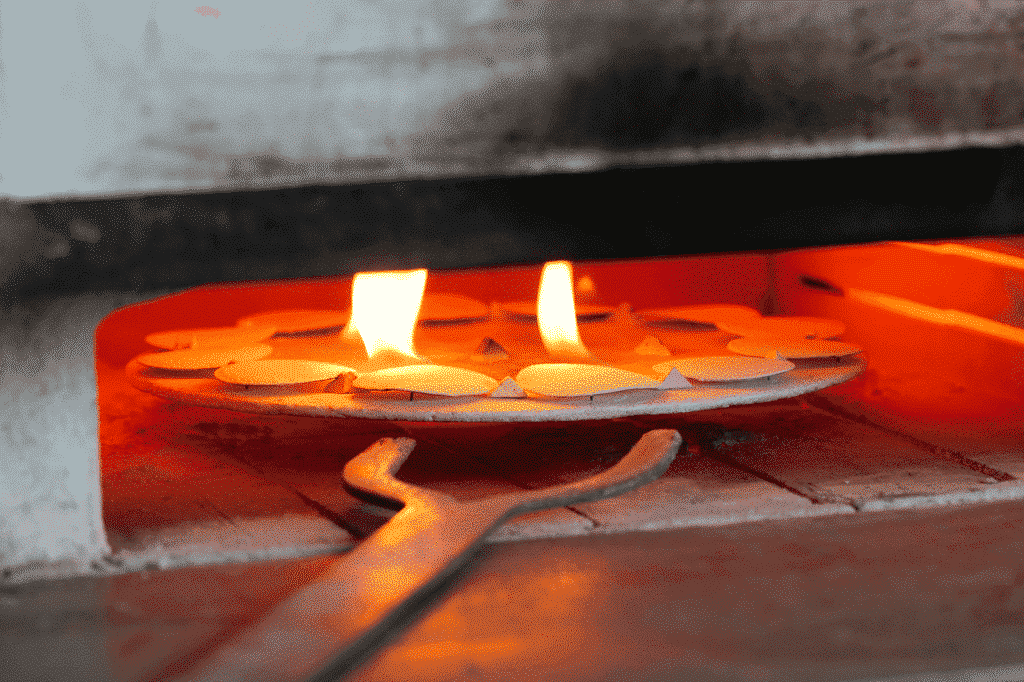
This is certainly one of the most difficult techniques, but also the one that offers the greatest durability for the dial. To create a Grand Feu enamel dial, the master craftsman applies oxide powder to the gold dial. He then places the dial in an oven at very high temperature (880 to 900°C) several times to allow the pattern and colors to appear. A few minutes too long and the work of several days could be undone.
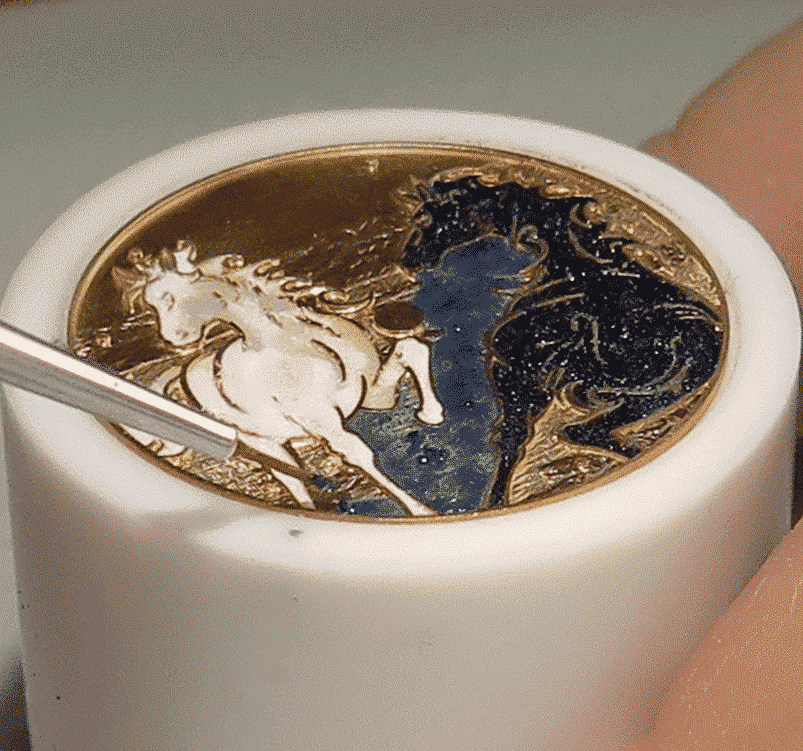
CHAMPLEVÉ
This process involves engraving cells on the dial with a chisel and scallop, then filling them with vitreous enamel before firing in a kiln.
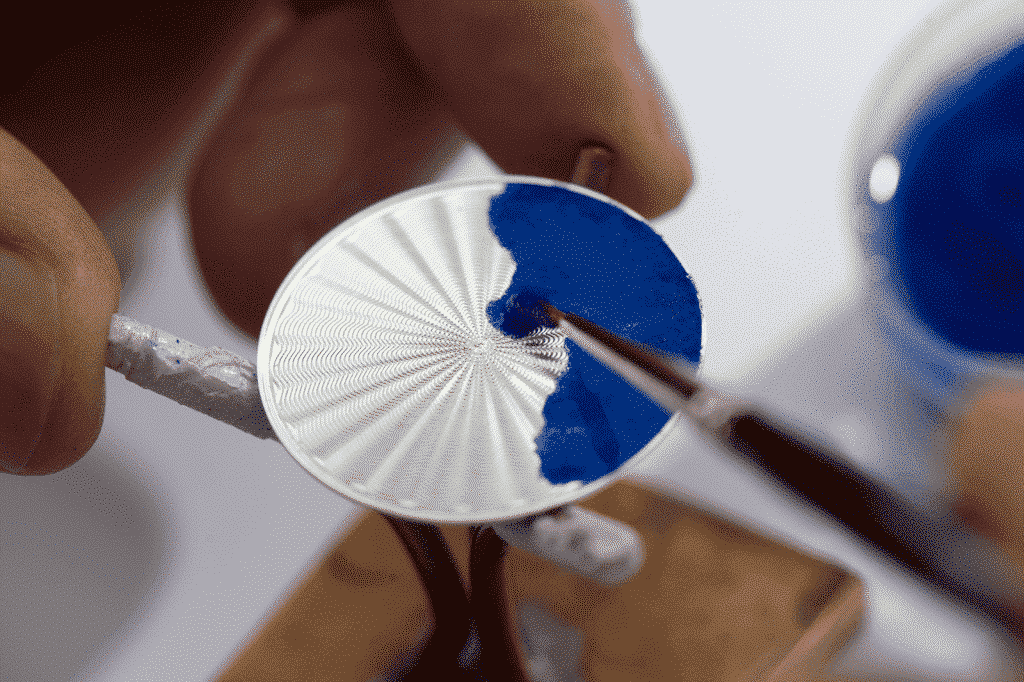
FLINQUÉ” EMAIL
Enamel color is applied with a pen or brush to a sheet of metal previously decorated with hand engraving or guilloché.
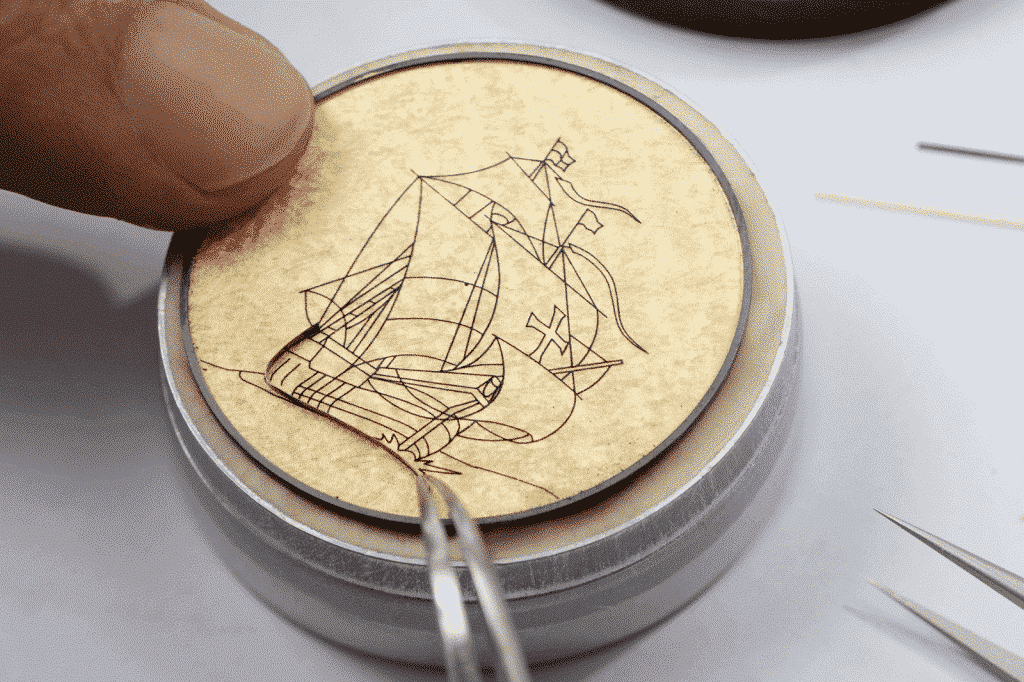
INSULATED
This technique involves producing the contours of the future design on the dial. Using two pliers, strips of gold wire measuring just 0.07mm wide are bent by hand and applied to the outline. Five layers of enamel are then applied to a cloisonné dial.
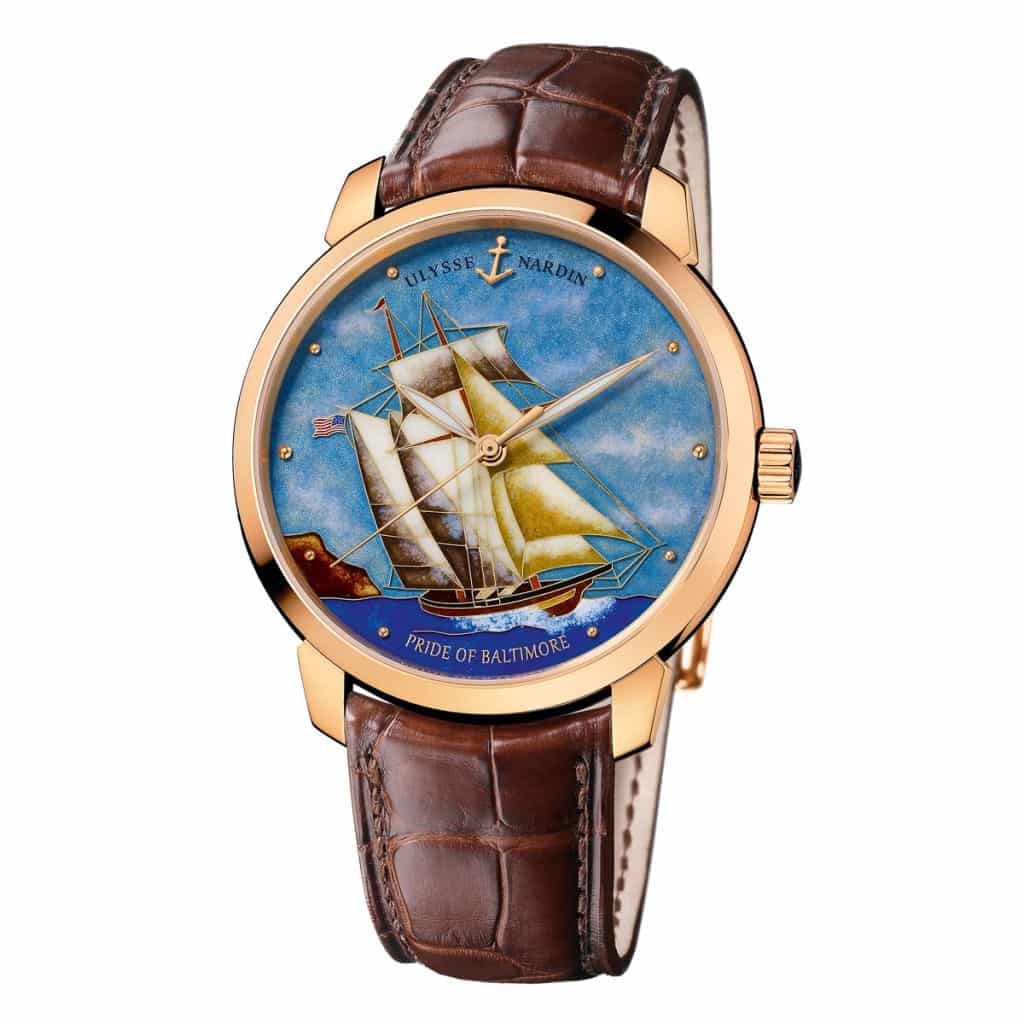
Discover the details of this Ulysse Nardin watch here