
Search in progress...
juin 2026
Ceramics: the magic powder
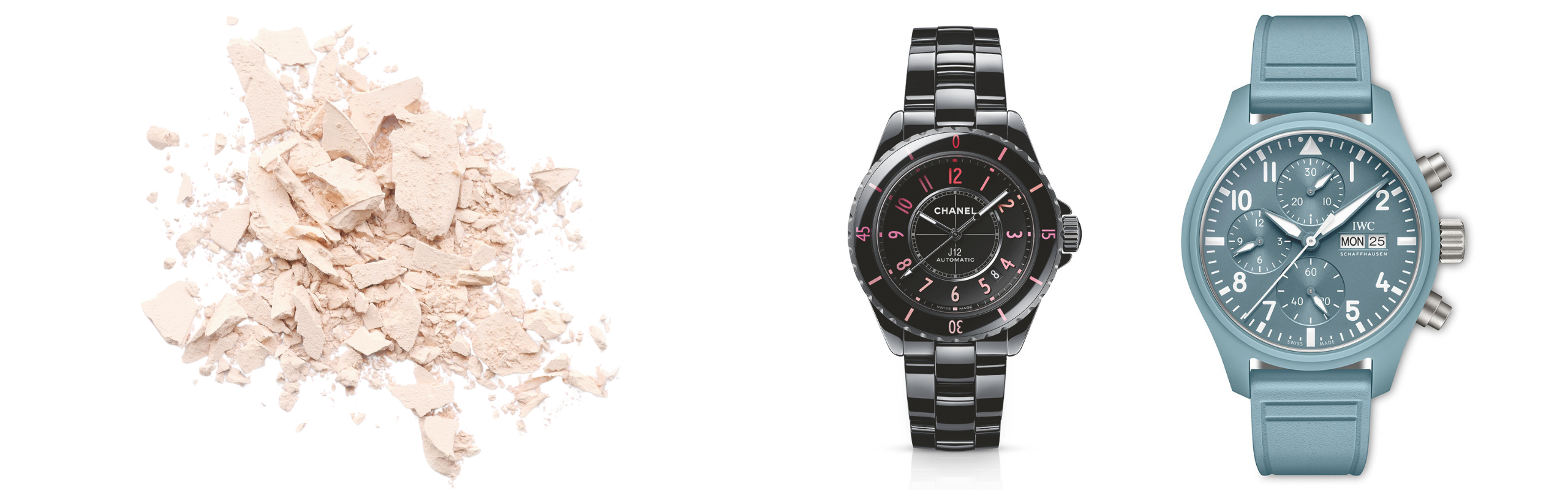
Ceramic possesses all the qualities sought after in watchmaking: it is beautiful, uniform, lightweight, always at room temperature, scratch-resistant, and durable. But this is the result of extensive R&D that transforms this lightweight powder into a nearly perfect material.

How long can a material be considered “new”? Ceramics are often—and mistakenly—regarded as such. It is true that, compared to brass, nickel silver, steel, or gold, it is strikingly young. But limiting its use to watchmaking would be a bit narrow-minded: the use of ceramics dates back… to the Paleolithic era! Naturally, the piles of wet earth and silt from back then have little in common with the high-tech powders calibrated to the micron that we use today. However, the manufacturing process remains essentially the same: a powder that, when heated to very high temperatures, becomes hard and impermeable.
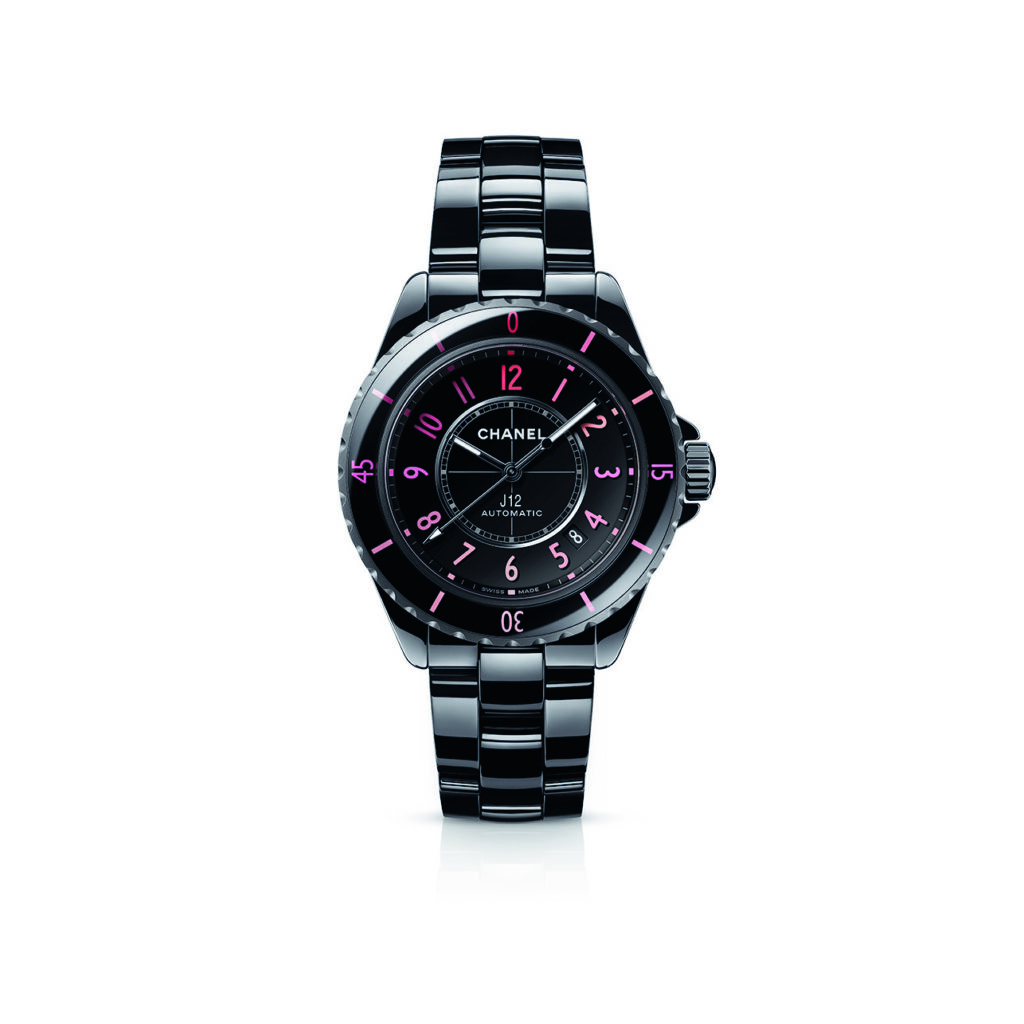
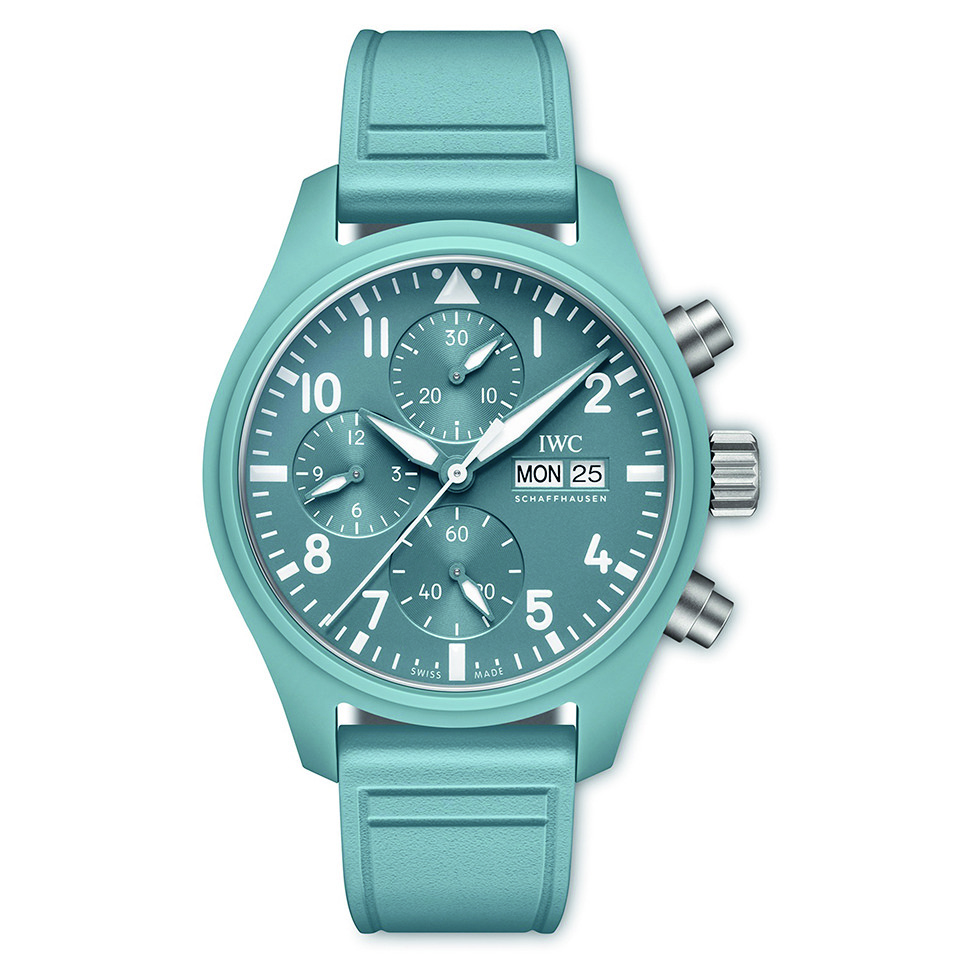
The challenges of watchmaking ceramics fall into three categories: shaping it, finishing it, and coloring it. Shaping is done through machining. This is no easy task because ceramic is extremely hard—which is precisely why it is valued—but to cut it, the use of computer numerical control (CNC) machines is essential. Finishing, on the other hand, is always done by hand. It allows for a glossy polish, since the material is prized for its luster. If desired, it can also be matte. Finally, there is color. This is where there is still room for improvement. CHANEL popularized it in black (2000), white (2003), and then blue (2025). Hublot, for its part, has developed a much more colorful spectrum, ranging from green to red, including yellow and orange.
The Pioneers
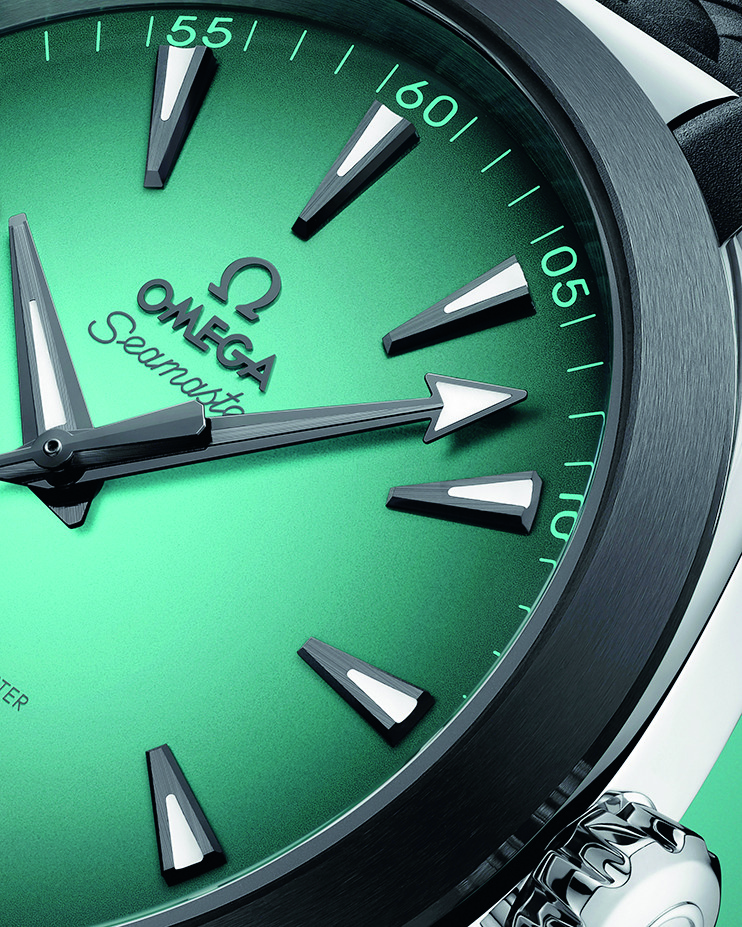
The use of ceramic in watchmaking appears to date back to OMEGA in the early 1980s. At the time, the Seamaster Black Tulipe cost five times as much as a standard Seamaster! At that time, the ceramic was mounted on a steel base. A few years later, IWC Schaffhausen and Zenith introduced the first all-ceramic cases—IWC with the Black Da Vinci model. Starting in 1986, Rado distinguished itself by systematically and widely using ceramic across all its models. This remains the case today. Ceramic is now commonplace, particularly on the bezels of sports watches.
The world’s first two-tone ceramic
Achieving a perfectly opaque and uniform ceramic color is more challenging than it seems because, initially, it starts out as a powder. Under these conditions, designing a two-tone ceramic seemed unthinkable! Hublot, however, rose to the challenge. This year, the Nyon-based manufacturer unveiled Magic Ceramic. Each pigment used to color the material is subjected to different temperatures during the firing and molding processes of the components. The challenge, therefore, lies in finding the perfect balance to achieve a uniform and flawless result—a secret jealously guarded by a patent application.
A ladder you can count on
Ceramics aren’t just known for being unbreakable—they prove it! The scale used to measure a material’s hardness is the Mohs scale. Invented in 1812 by the German mineralogist Friedrich Mohs, it measures the hardness of minerals. It is based on ten readily available minerals, ranked from softest to hardest. At the top of the pyramid is diamond. At the very bottom is a simple powder, such as talc. Ceramics, on the other hand, generally have a hardness of 7 out of 10. That’s a very high score. By comparison, steel doesn’t exceed 5.
Ceramics in 6 Steps
| 1. Selection of raw ceramic powder (often zirconium oxide) |
| 2. High-pressure injection molding, sintering up to 1500 °C |
| 3. CNC Machining |
| 4. Grinding with diamond powder, the only material hard enough to shape its geometry |
| 5. Polishing with abrasive powder to restore luster and shine |
| 6. Assembling the Components Obtained |