
Search in progress...
mai 2026
Bewitching tanzanite!
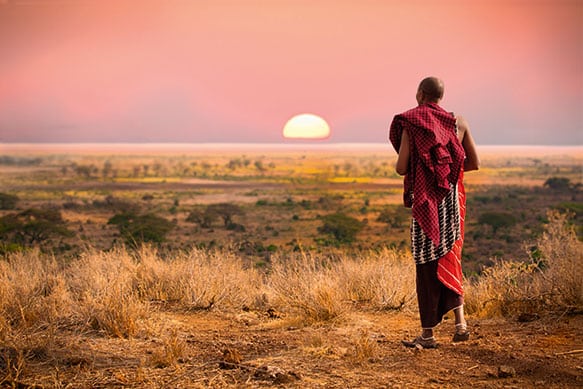
Its discovery is a true poem. Whether legend or fact, the story goes that the first tanzanite was discovered following a storm in the hills around the mythical Kilimanjaro massif. When Maasai shepherds emerged from the caves in which they had sheltered from the violent skies, they found these blue stones strewn across the ground. A considerable treasure which, in the space of a few decades, was to change the economic face of the region of Arusha, this small town in northern Tanzania bordered by the Kenyan border and the eternal snows of Kilimanjaro.
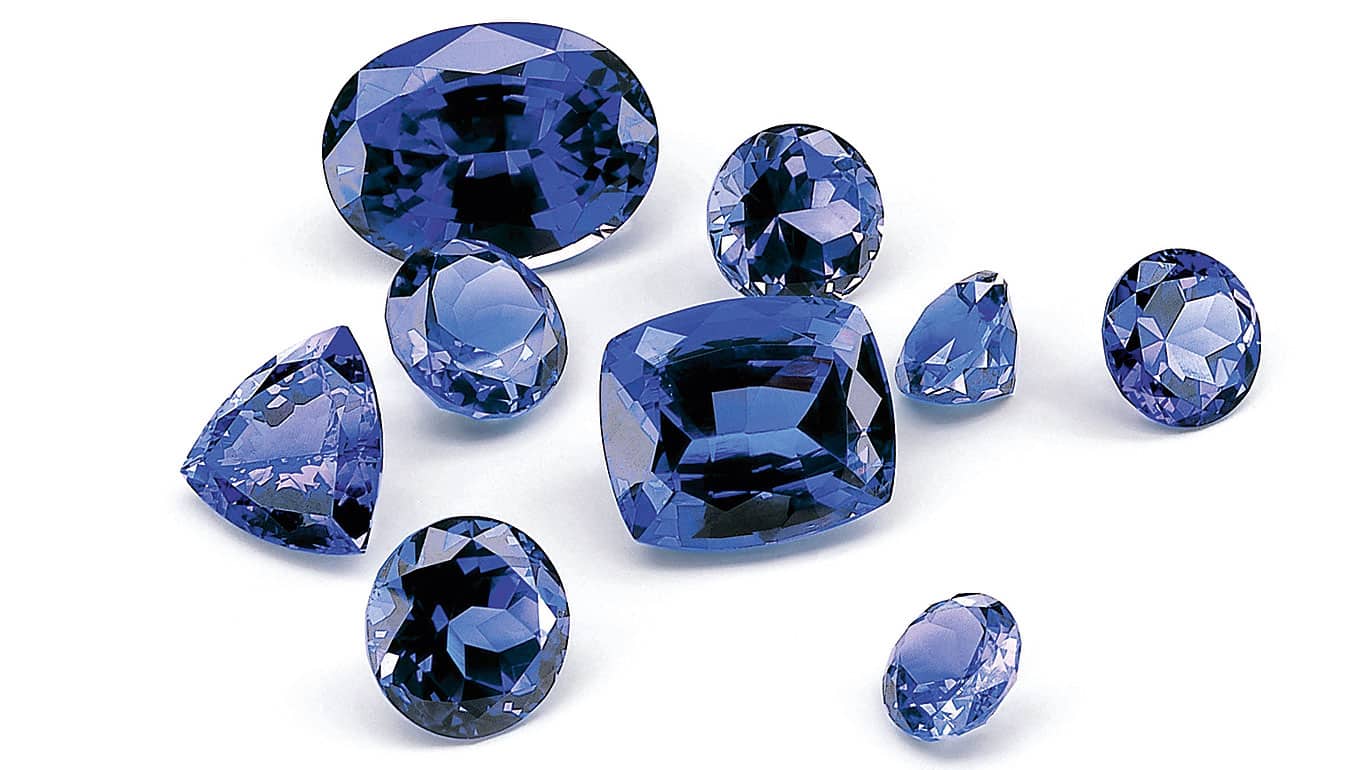
If Arusha is now known to the general public because it attracts safari enthusiasts, the jewelry world shudders at the mention of the fine bluish stone that saw the light of day there less than fifty years ago. Comparable to Paraiba tourmalines, a gem variety that is now out of stock, it is increasingly sought-after. Often cut in cushion shapes, it blends wonderfully with all shades of gold. In addition to its extraordinary color, which never ceases to seduce jewelry lovers, its hardness and resistance make it an ideal stone for all kinds of creations.

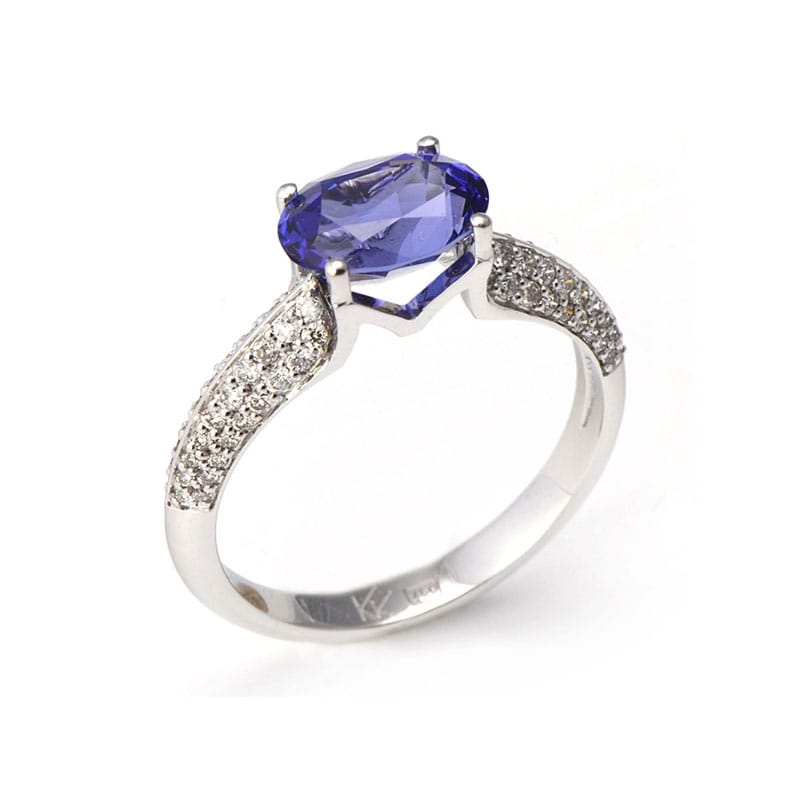
More information about this Lionel Meylan Créations ring here
Tanzanite glossary
Pleochroism
Tanzanite is characterized by strong pleochroism, i.e. its ability to absorb different colors depending on the angle of illumination. Specifically, tanzanite has the fascinating characteristic of appearing blue lengthwise and violet widthwise.
Rarity
The tanzanite deposit discovered in 1967 is the one and only extraction site for this fine stone. Until when? No one knows. Its small size – 20 km2 – alone explains its rarity.
Value
The predicted scarcity of tanzanite remains the main reason
why prices are soaring. Today,
Masaï
Following the discovery of the tanzanite deposit, the face of the town of Arusha and this region of northern Tanzania was literally transformed. The local population acquired a solid knowledge of cutting and gemmology, enabling them to benefit from the economic consequences of this fascinating discovery. It is estimated that the Masai now account for 95% of the tanzanite trade.