Search in progress...
mai 2026
Complications, plain and simple!
There are mechanisms that chime, whirl, measure short times, keep the calendar up to date, among many other functions. For, over time, watchmakers have created a rich array of complications for greater reliability and more functions. They can even be combined: the most complicated watch ever made is Vacheron Constantin’s reference 57’260, with 57 complications weighing almost one kilo. Master the ABCs of mechanical watch complications, in five selected complexities.
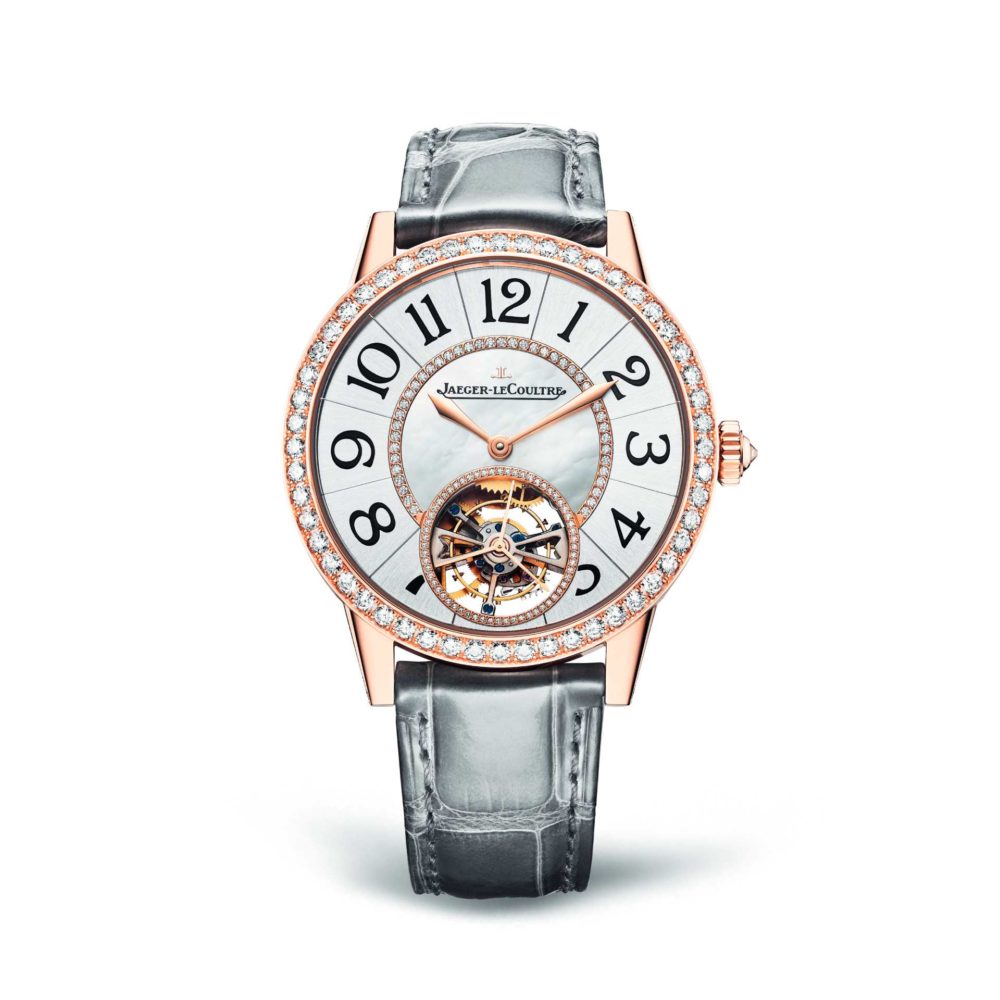
THE INGENIOUS EQUILIBRIST: THE TOURBILLON
In 1801, Abraham-Louis Breguet patented a brilliant idea: the tourbillon device. At the time, watches were worn vertically in the vest pocket. Thanks to his invention, the regulating organ and escapement turned on themselves in a mobile cage. This rotation compensates for the effects of the earth’s gravity on the mechanism and therefore on precision. Synonymous with virtuosity, the tourbillon is the subject of constant research and is available as a flying, flat, inclined or vertical tourbillon – with a view to performance as much as visual magic, since this complication is most often admired on the dial side.
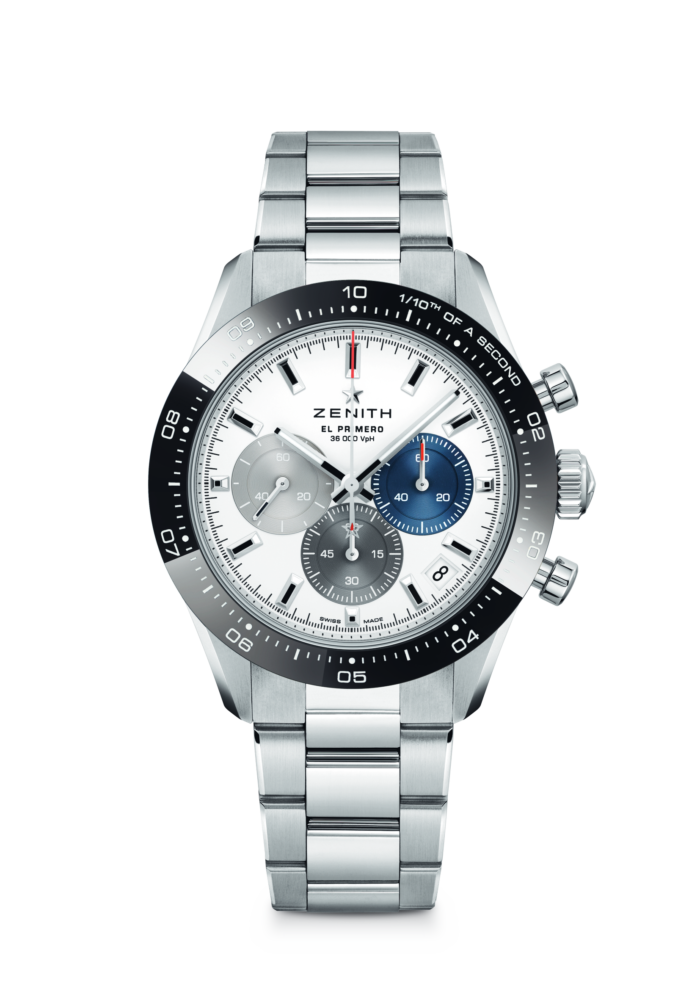
THE CHRONOGRAPH IN STARTING-BLOCKS
Betting on the right horse is worth its weight in gold! On September 1, 1821, Nicolas Mathieu Rieussec, the king’s watchmaker, succeeded in timing a horse race. His “timepiece or counter of the distance covered”, known as a “seconds chronograph”, marks the elapsed time with a drop of ink placed on the enamel dial. From then on, the chronograph went from strength to strength, with numerous applications – sporting, medical, military and scientific. And while a chronograph is used for timing, not every chronometer – i.e. a high-precision watch generally certified by the Contrôle officiel suisse des chronomètres (COSC) – is necessarily a chronograph, capable of measuring intervals of time.
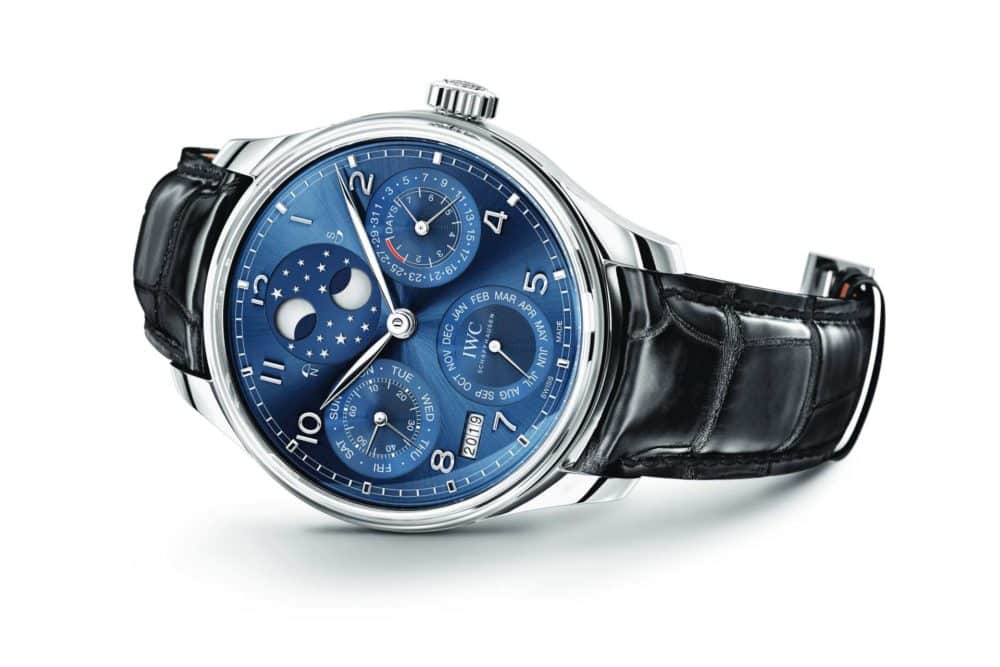
RENDEZ-VOUS AVEC LE QUANTIÈME
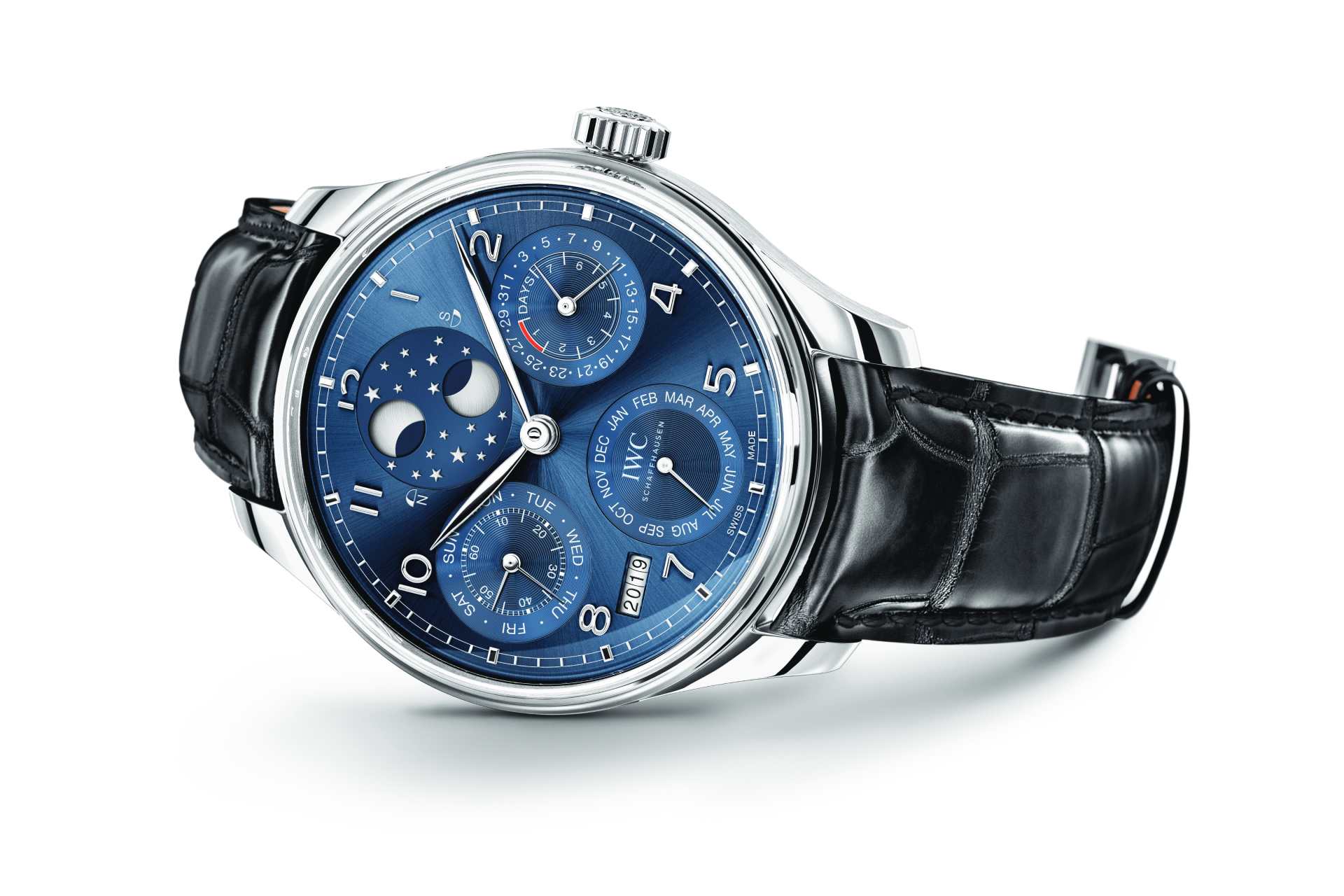
Monseigneur, what is a “quantième” – “combientième”, quantum in Latin? Appearing on watches at the end of the 18th century, a period decidedly rich in horological inventions, the perpetual calendar takes into account months of 30 and 31 days, and 28 and 29 days in February. It can only be set in exceptionally non-leap years, i.e. 2100 and 2400, unlike the secular perpetual calendar, which is capable of this feat. Their little sisters display the date according to the length of the months (annual calendar), or must be set for months of 28, 29 and 30 days (simple calendar). Full calendars display the date, day, week and month.
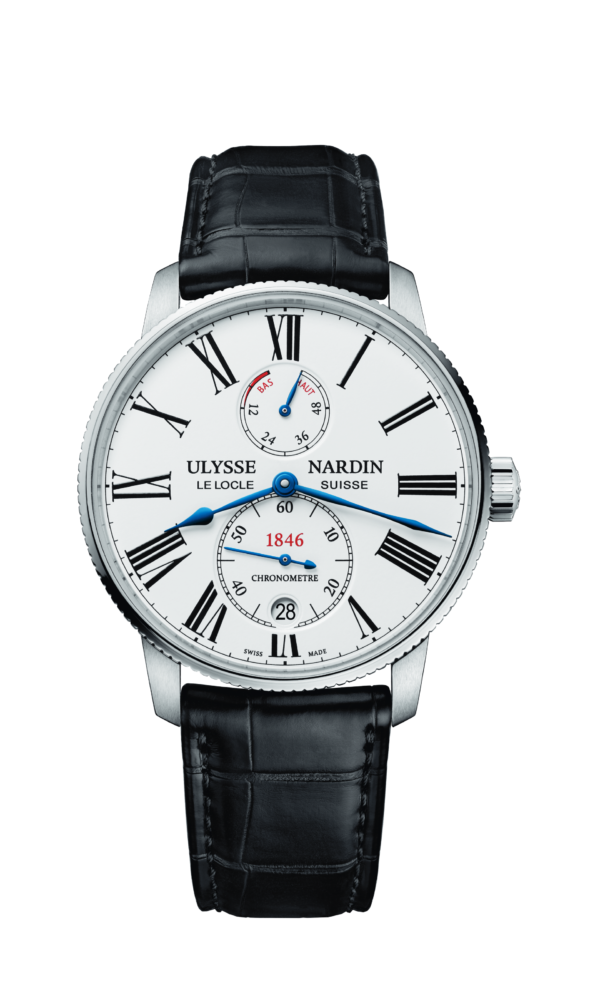
PREVENTION PLUSTER THAN CURE: THE INDICATION OF MARKET RESERVE
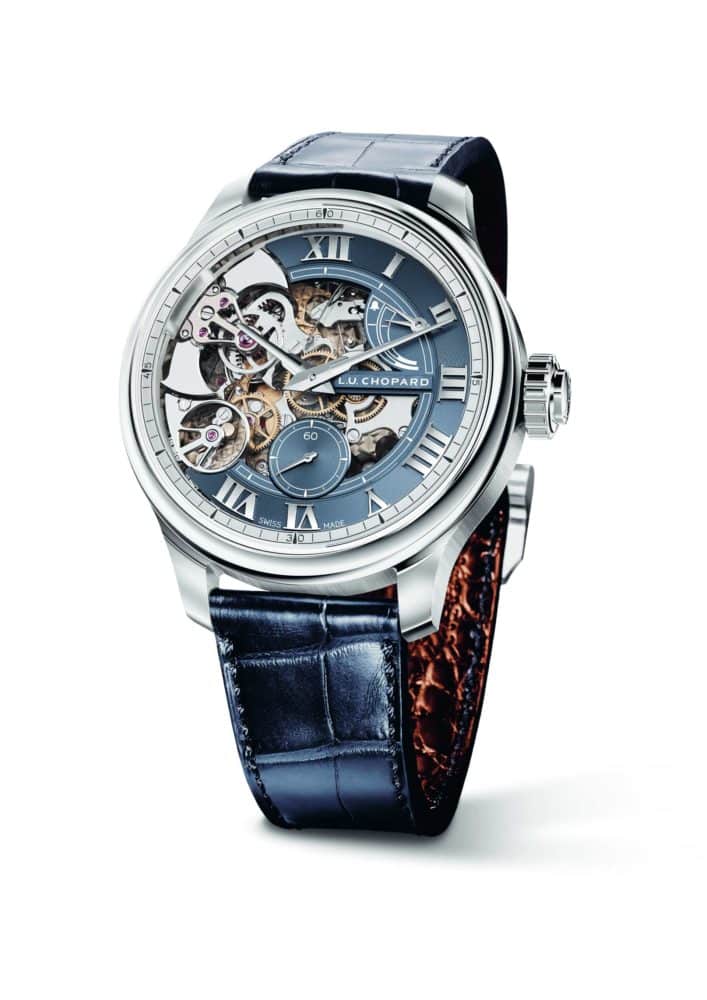
Here’s a seemingly modest yet crucial complication. Its purpose? To indicate the watch’s remaining operating time. The need for such a display was particularly felt in the 18th century, on marine chronometers whose stoppage would have serious consequences. Today, the indication of remaining autonomy is still popular, especially on perpetual calendar watches, which require considerable adjustment.
THE MUSIC OF TIME: THE MINUTE REPEATER
Called the “queen of complications”, the minute repeater requires both watchmaking virtuosity and a musical ear. It first appeared between 1700 and 1710, notably in southern Germany. Operated on demand, a musical device sounds the hours, quarter-hours and minutes in distinct tones. At the time, these notes were used to tell the time in the dark. Today, their music delights and continues to challenge watchmakers, who are always on the lookout for more beautiful sounds.
It gets complicated
The watchmaking term “complication” is defined in several ways – perhaps to honor its name! The Berner, a reference dictionary, laconically describes it as “the state of being complicated”. More broadly, it is accepted that a complication defines any function other than the display of hours, minutes and seconds – which makes the basic mechanism more complicated. In this sense, the famous tourbillon and its cousin the carrousel are not complications stricto sensu, but rather “complications of realization”.