
Search in progress...

mai 2026
Diving watches: the soul of depth
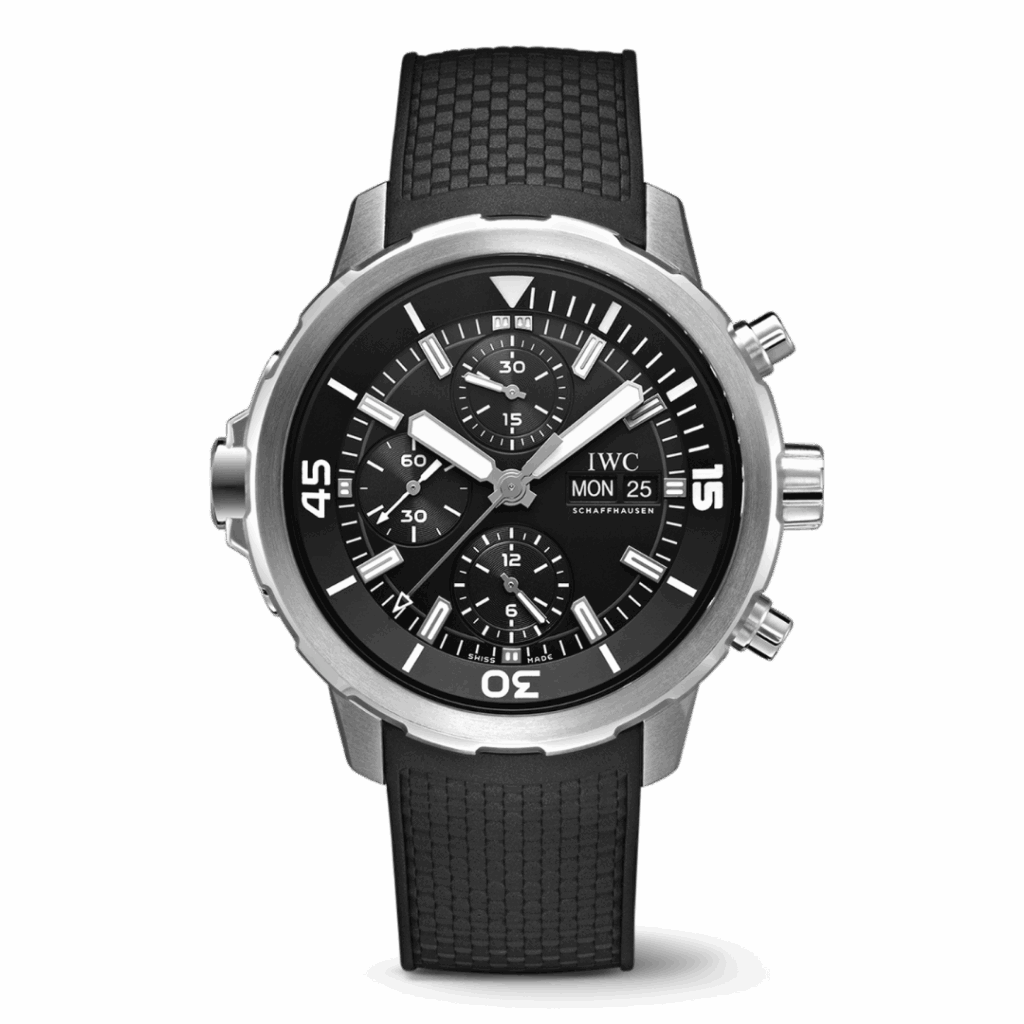
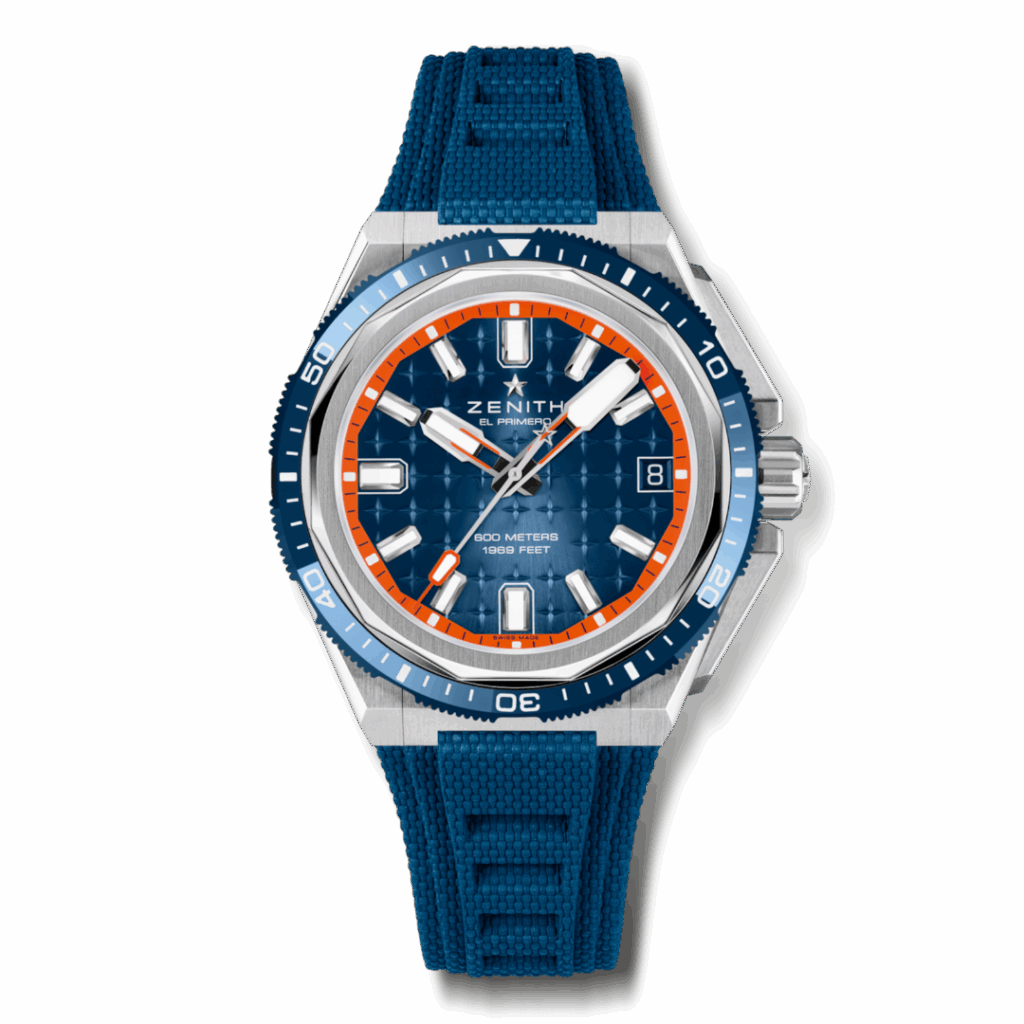
A genuine diver’s watch is a serious, certified tool watch. Lives spent underwater can depend on its qualities. But beyond this technical segment, a range of non-certified but no less rigorous “diving-type” watches has developed, considerably enriching the aqua-recreational offering.
A little history!
The diver’s watch seems to be well established on watchmaking shores today, but of all the watch categories (sports, aviation, complications, etc.), the one dedicated to underwater activities is the most recent. Why is this so? Because nautical recreation didn’t really take off until the 1950s and 1960s. Captain Cousteau’s explorations (The Silent World, released in 1956) were a catalyst for the general public, who first wanted watches that could be used “in the water”, then “underwater”. The first brands to respond were Blancpain, Breitling, Doxa, Eberhard & Co, OMEGA and Rolex, preceded in their military applications by Panerai. The ISO 6425 standard, which defines a “diver’s watch”, only dates back to 1982. All watches that meet this standard can officially bear the title of “diver’s watch”. The others can boast guaranteed water-resistance and, even without this sesame, prove more than sufficient for almost all current marine activities.
It’s in the case
The singularity of a diver’s watch lies not in its movement, but in its case. It’s the case that ensures the watch’s water-resistance, i.e. its resistance to the weight exerted on its surface by a column of water. The lower you go, the higher the column, the greater the pressure. How do you guarantee watertightness? First and foremost, the seals. Sensitive to external elements, they need to be replaced every two years or so. Secondly, the sapphire crystal. It must be thick to resist, and curved to distribute stress. Finally, the case, which must obey two golden rules: it must be relatively thick, and simple. A case with too many components offers too many back doors for water to infiltrate. The case of a diver’s watch will therefore be significantly thicker than that of a simply water-resistant watch – and its crown will naturally be screwed down.
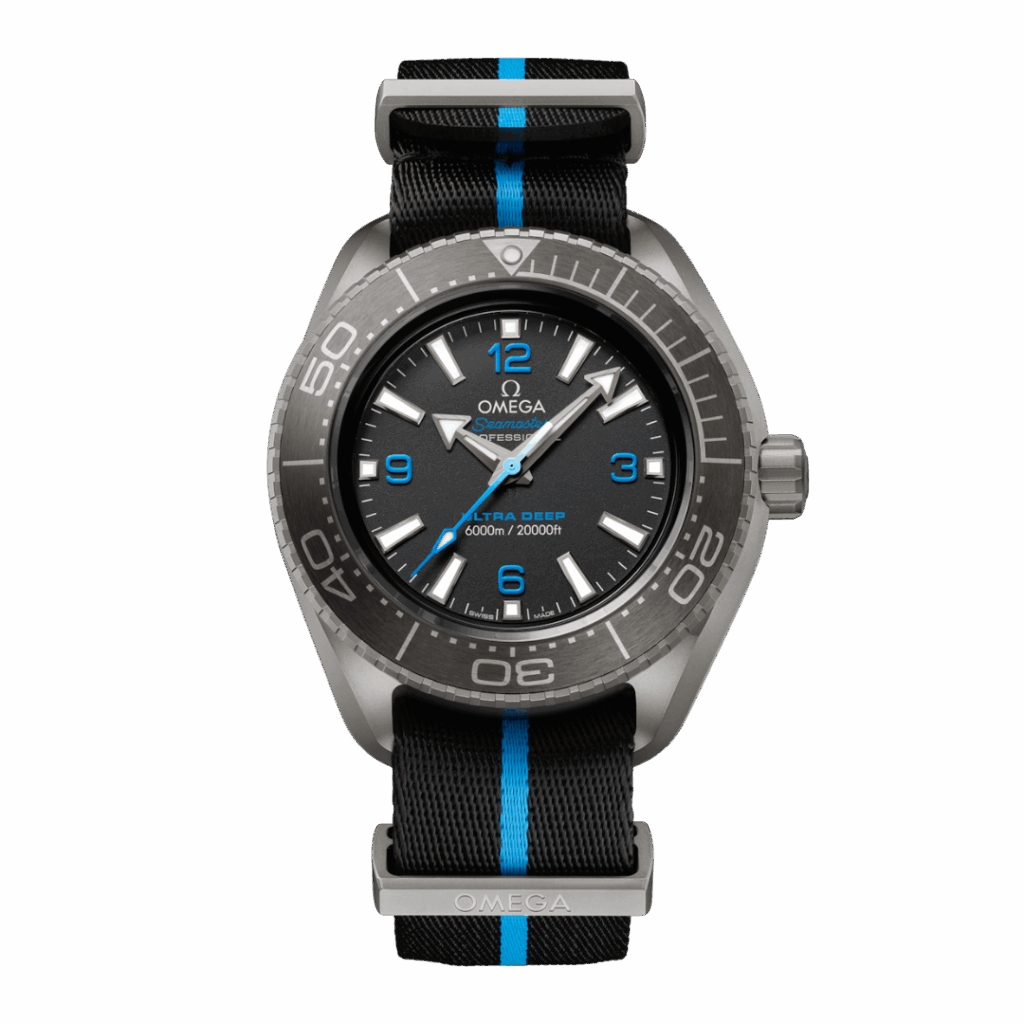
OMEGA Seamaster Planet Ocean Ultra Deep 6000M
Diversity of materials
When it comes to diving watches, steel has historically been the preferred material for several reasons. It ensures perfect contact surfaces between its components, is resistant, repairable and deforms little under pressure. Nevertheless, brands have developed attractive alternatives, such as titanium, which is lighter and more resistant. Bronze is also available, which has the advantage of patinating over time. Carbon bezels first appeared in the 19th century, alongside ceramics. The most precious are now adorned with gold. Surface treatments (DLC, PVD) have given these adventurers seductive looks that their predecessors didn’t have.
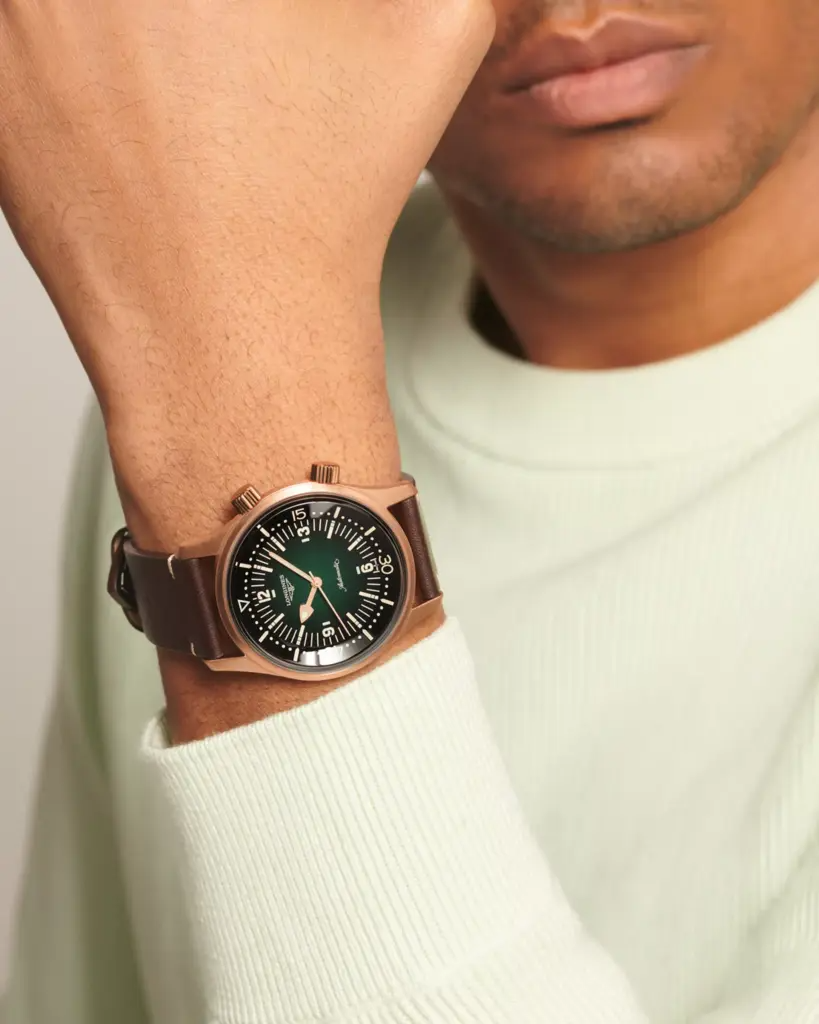
Longines Legend Diver Bronze
What is a helium valve?
For some very special saturation dives, divers use hyperbaric chambers to saturate their bodies with certain gases. Helium is involved in this process. Its molecules are so fine that, during this operation, they can enter through infinitesimal openings in the box. The box must then be fitted with a “helium valve” to let it escape once it has returned to terrestrial conditions, and the pressure within the box becomes higher than that of the ambient air. Hence the need for this small valve to gently exfiltrate this unwanted gas. In practice, however, the number of divers subjected to this environment can be counted on the fingers of one hand.
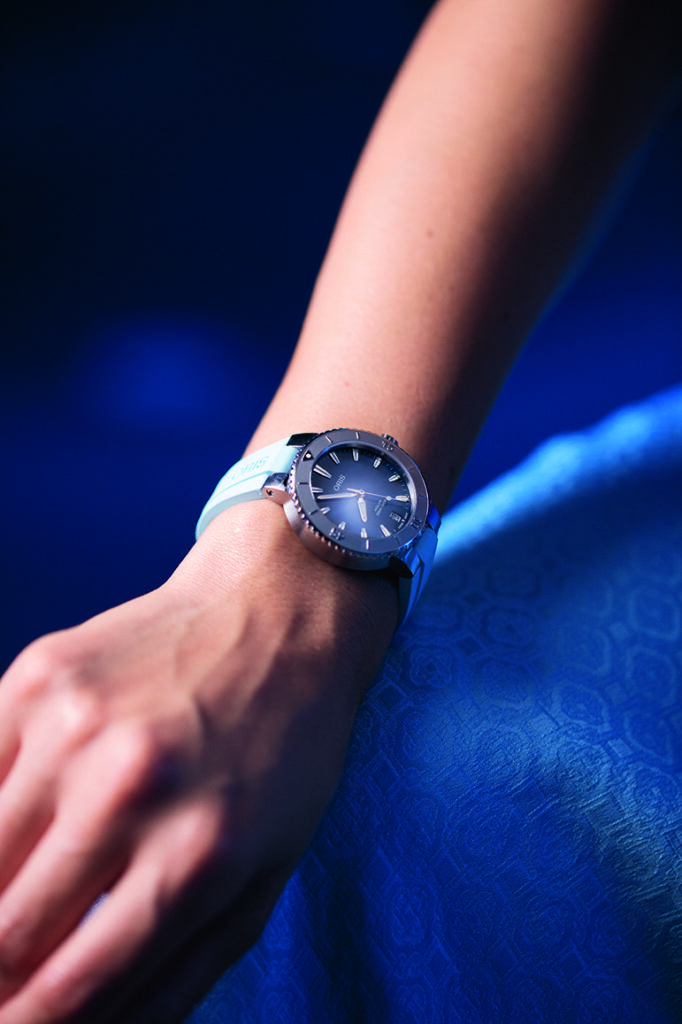
Oris Aquis Date
A number to remember: 6425
The standards of the International Organization for Standardization (ISO) are issued in Geneva.
The one that concerns diving watches is reference 6425, published in 1982, updated in 1996
then 2018. It lays down the conditions under which a watch can officially be described as
“diving”: water-resistant to a minimum of 10 bar, legible at 25 centimeters in total darkness, resistant
to temperature variations, with a means of measuring dive time (such as a rotating bezel), and a bracelet withstanding a pull of 200 newtons on each side (around 20 kilos).