

Search in progress...
mai 2026
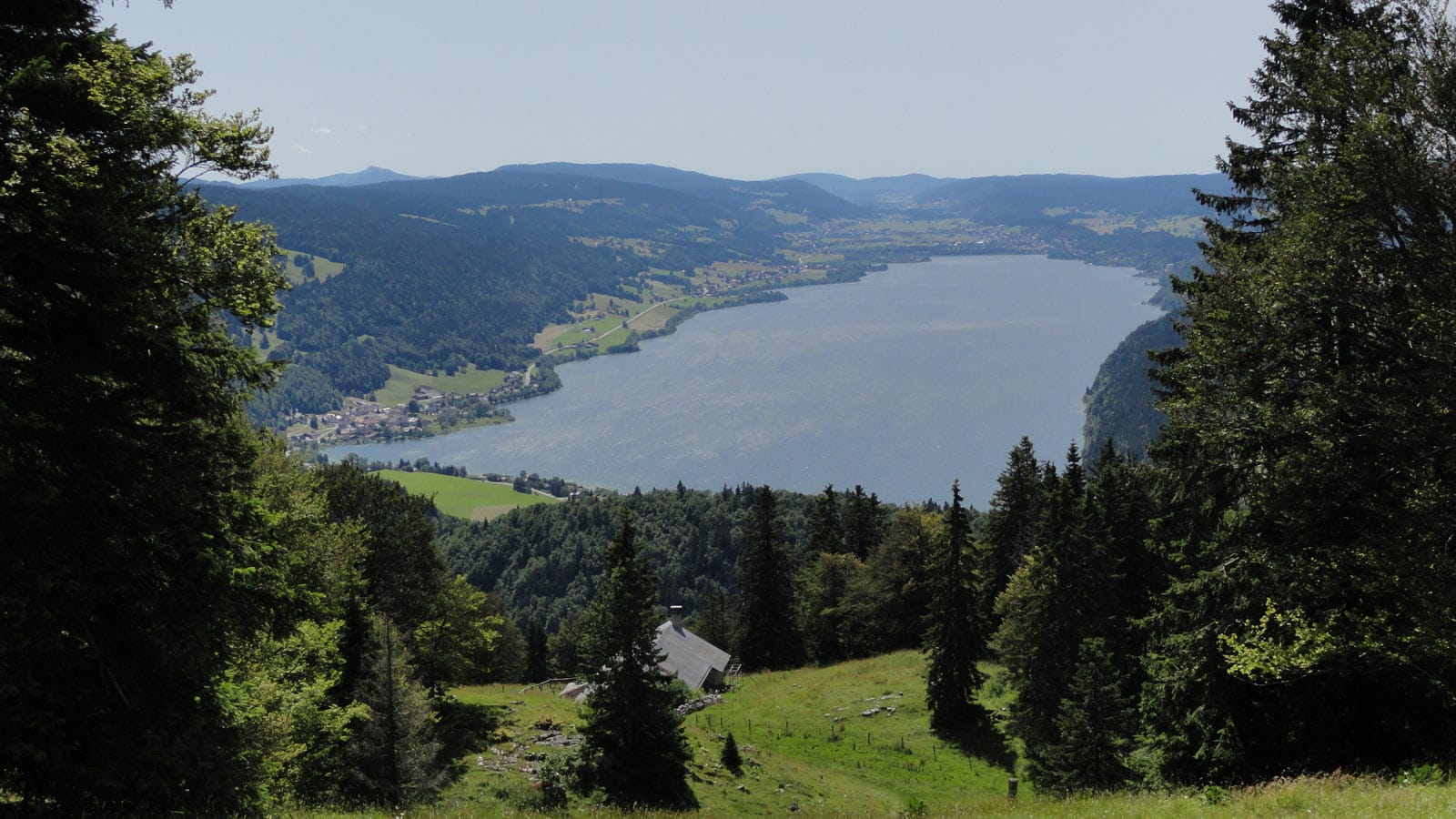
From the Vallée de Joux to Vevey
In fact, the vast majority of Meylans have retained only the bourgeois rights of the communes of Le Lieu and Le Chenit, from which they also originate.
There are two main reasons for this: the Meylans, and the Combiers in general, have always been very proud to be from the Valley, and to belong to this particular ethnic group.
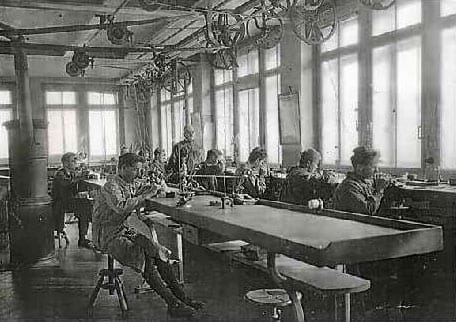
However, a glance at the list of bourgeois rights acquired by the Meylans reveals two main emigration trends, depending essentially on the economic conditions prevailing in the Vallée de Joux before and after the development of the watchmaking industry.
The first emigration can thus be described as peasant; it was forced by the scarcity of agricultural resources and was limited to the Pays de Vaud: the Combiers sought more fertile land and larger surface areas.
It began as early as the 16th century and continued until the end of the 18th century, when, without the many immigrants, the Valley had a population of almost 5,000.
The Combiers live more or less well on the outside, keeping their sole bourgeoisie in La Vallée.
In the 18th century, the first Meylan to settle in Vevey was an exception to the land-owning rule: he was a notary.
A second family acquired the Vevey bourgeoisie 65 years later. Despite this, the vast majority of today’s Meylan Veveyans are bourgeois of their valley of origin.
The 20th century saw the Meylans set their sights on the big city at the end of Lake Geneva (Geneva). Watchmaking opened the way for the Meylans to enter the liberal and tertiary sectors.