Search in progress...
mai 2026
Low-cost diamonds – Beware!
LOW COST diamond…
“with improved purity…”
A controversial subject.
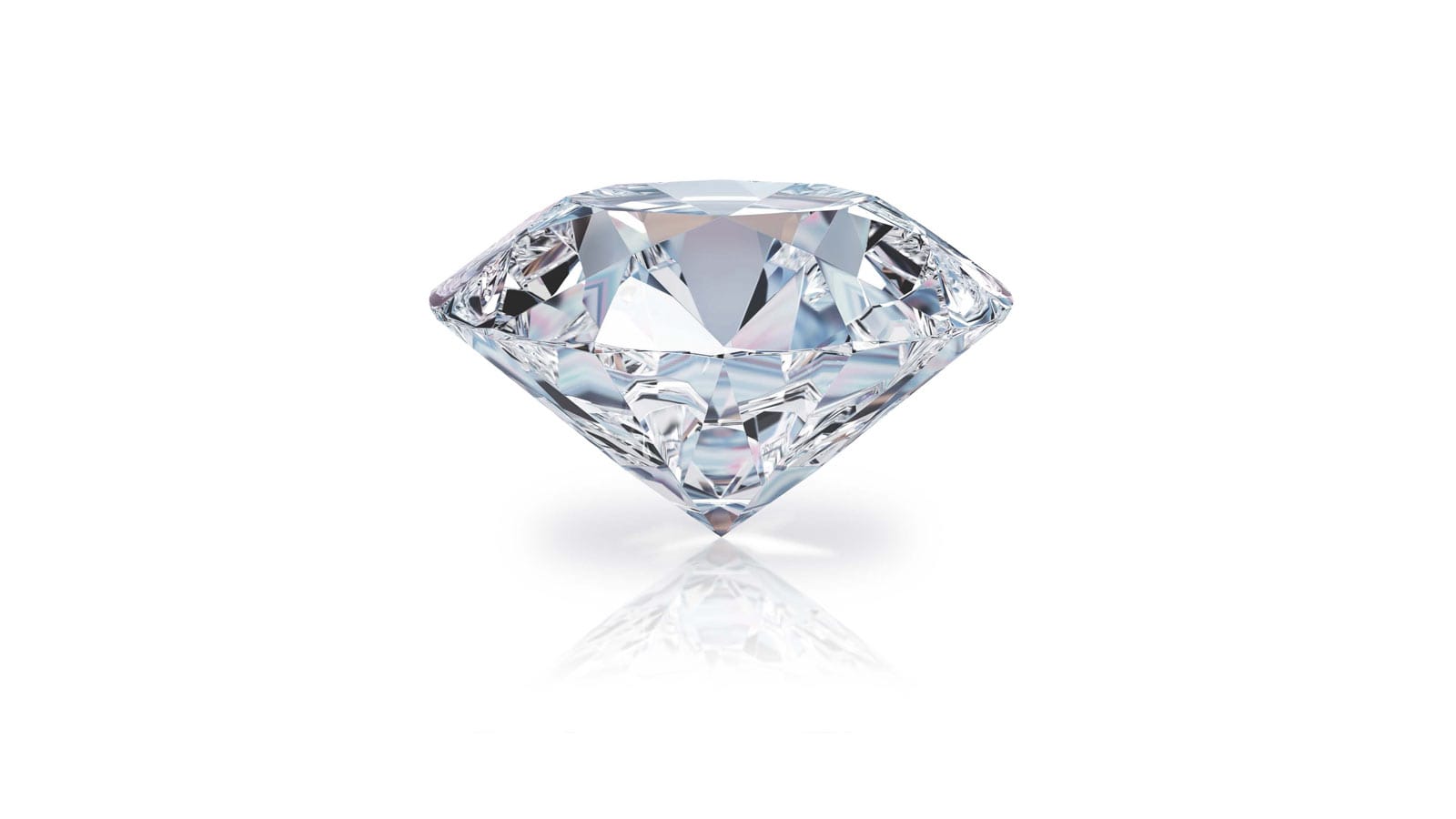
Since the dawn of time, this gem has fascinated us with its beauty and complexity. We’ve tamed it and made the most of it.
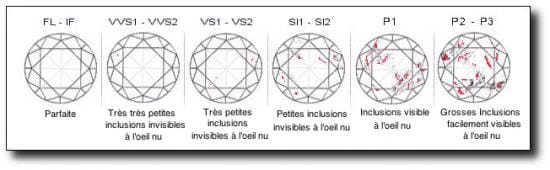
But today, we do much more. Thanks to lasers, anything is possible, even erasing inclusions in a diamond, which means modifying its DNA. A diamond’s identity is established according to the 4C criteria: weight, cut, color and clarity. According to one estimate, this treatment takes a diamond from P3 purity to VS2 purity. See below. Note that for a rough stone, P3 quality costs 4x less than VS2 quality.
 This treatment involves laser-drilling the diamond down to the troublesome, dark inclusion, removing the material or dissolving it with acids. This hole is often filled with resin.
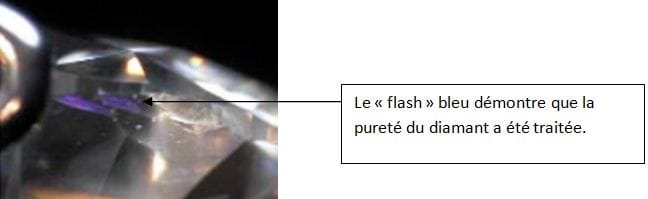
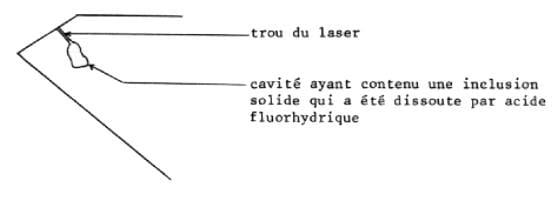 This treatment is easily identified by an experienced gemmologist when the stone is not set. Sometimes, when the stone is set, the setting can prevent this treatment from being detected. Fracture fill treatment is stable under normal conditions. The filling material reacts strongly to heat by expanding, and can then either pop out of the fracture or cause the stone to shatter. We strongly advise against heating treated stone.
In a nutshell:
It’s a real diamond, but of inferior quality, which man has modified. Unfortunately, this treatment is not, or only slightly, stable. This leads us to believe that if your jewel is set with such a stone, it could be altered or shattered during processing.
But there is one advantage: the price.
With this process, your P3 quality diamond, treated to VS2 quality, will cost half as much as a natural diamond of the same purity.
Despite this, major gemmological laboratories such as GIA and HRD refuse to certify this type of treated stone as unstable.
F. A.