Search in progress...
mai 2026
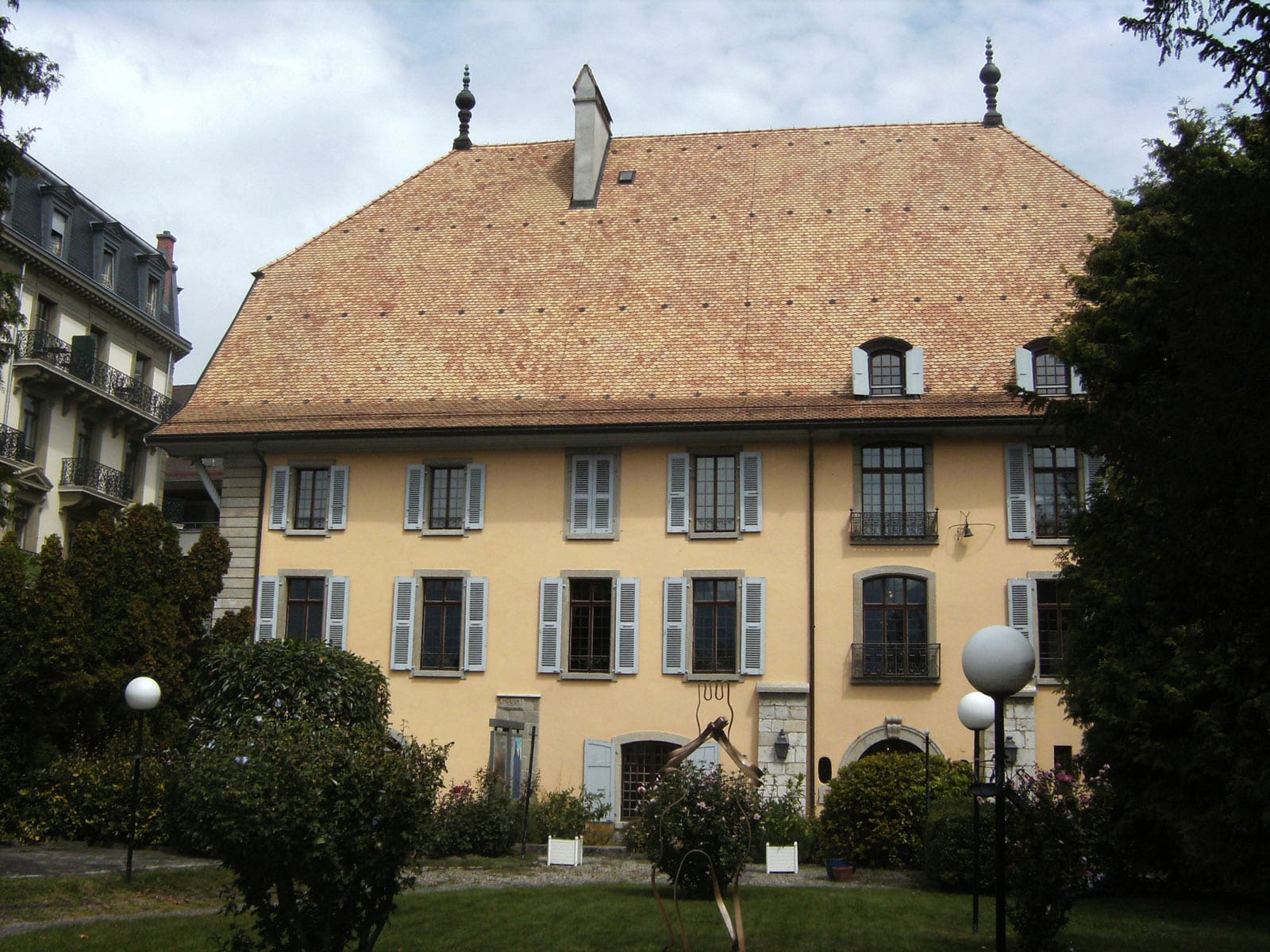
Musée historique de Vevey – Objects from the past
Take a quick look at the objects that surround you. The chair you sit on, the cup you drink your tea from, the painting on your wall, the set of keys you use every day… Each of these objects bears witness to your lifestyle. They are part of an era, part of a history.
The story of Vevey and its inhabitants is told through a collection of some 10,000 objects, paintings and engravings, and 6,000 photos of the town and surrounding area.
Presented in a varied itinerary alternating regional themes and original collections, the permanent exhibition features documents and iconographic evidence, furniture from the Vaud and Swiss regions, fine examples of craftsmanship, antique weapons, manuscripts and engravings, from the Celtic period to the 1970s. But also a fine collection of paintings by Swiss Petits Maîtres.
Among the museum’s musts is a remarkable collection of antique keys, locks and boxes, the only one of its kind in Switzerland, offering a fascinating insight into this very special craft. On a more artistic note, the astonishing work of the Vevey painter Dumoulin (1753-1834), who witnessed the French-English battles in the West Indies during the American War of Independence.
Musée historique de Vevey
Le Château, 2, rue du Château
CH-1800 Vevey – 021 925 51 64
www.museehistoriquevevey.ch
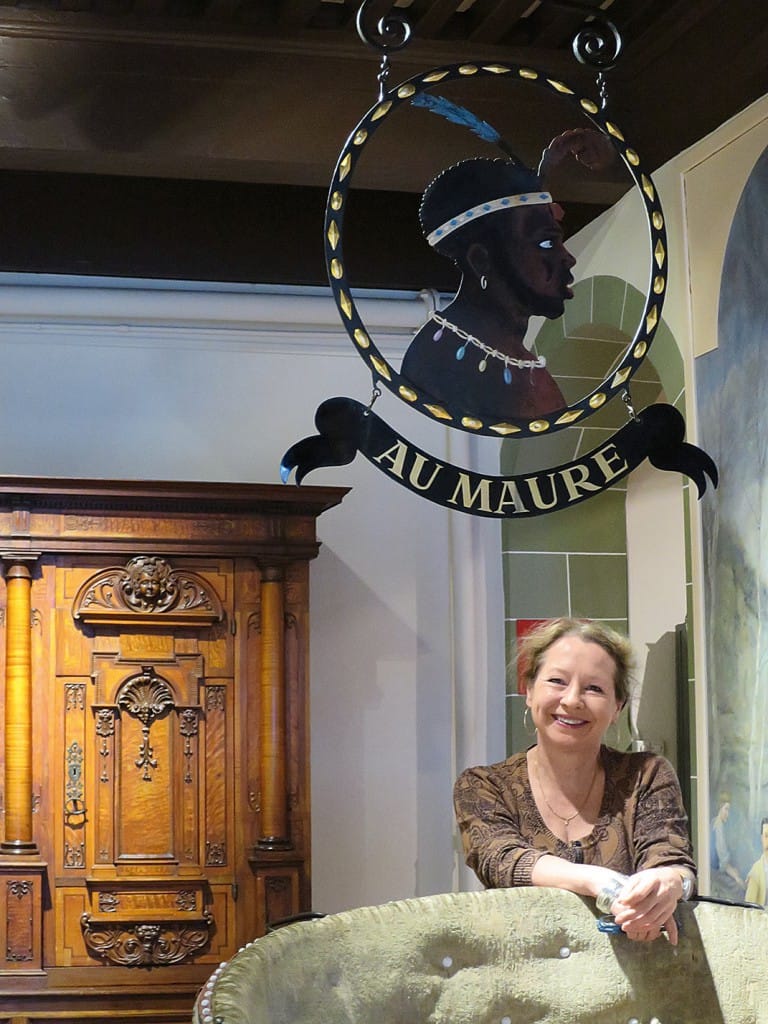
Four questions for Françoise Lambert, curator
What is the museum’s vocation?
Our mission is very clear. First and foremost, to preserve the heritage of the town of Vevey. We work in collaboration with the archives, which preserve deeds. Here, we deal with images and objects. The museum has a fine iconographic collection, including old photographs, engravings and paintings. There are also objects linked to the town. Some date back to archaeological times, around 300/400 BC. Our most recent objects date back to the 1970s, mainly photographs that bear witness to the major changes in the city’s physiognomy.
How is the permanent exhibition organized?
The exhibition is not a chronological tour. The museum’s collections have been built up over time, notably through donations from Vevey residents, so we are presenting the objects by theme.
You organize events for younger audiences. Why is it important to attract this type of audience?
Historical museums are usually visited by relatively old people. Thanks to the work of a museum staff member who works on mediation for young audiences, we try to bring children into the museum, to give them a taste for and pleasure in history.
The museum celebrates its 120th anniversary in 2017. What challenges will you be facing in the future?
The biggest challenge is to continue to exist alongside major museums such as the Chaplin Museum or the Nestlé Centre. This means being able to offer something special. But I still believe that there is a specific public that appreciates special places like this.
Not to be missed
Le goût des belles choses, collection archéologique de David Doret (1821-1904)
From May 13, 2015 to February 28, 2016, the Musée historique de Vevey is showcasing a rich archaeological collection assembled in the late 19th century by marble-maker David Doret. Italiote vases, Etruscan bronzes, Roman statuettes, fragments of frescoes and architecture, Egyptian amulets… The ensemble comprises over 200 antique objects. Rarely exhibited, this collection, bequeathed to the museum over a hundred years ago, highlights David Doret’s taste for the beauty of form and the diversity of materials.