Search in progress...
mai 2026
Musée Jenisch – In the pocket of art
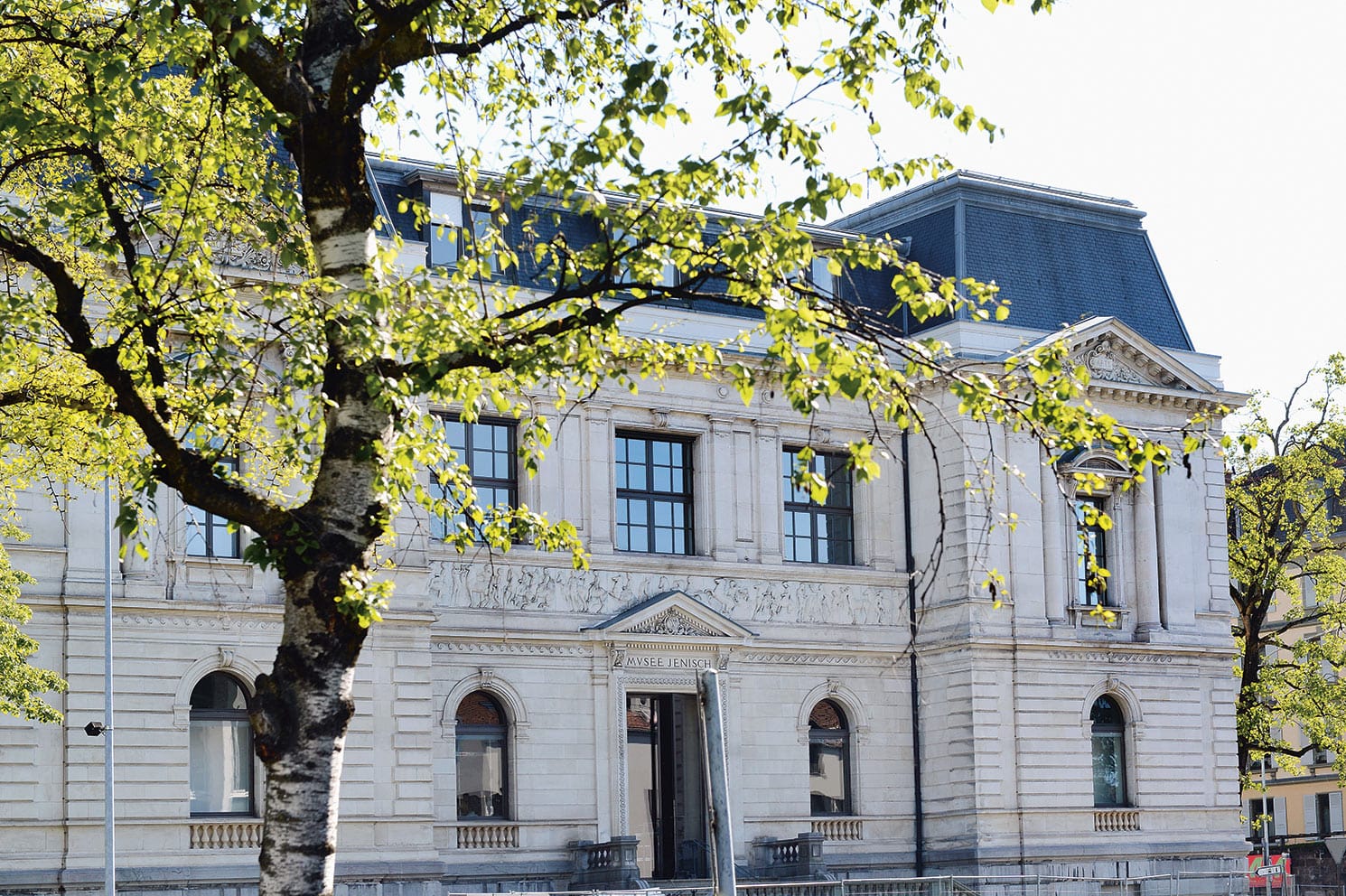
Inaugurated on the shores of Lake Geneva in March 1897, the neo-classical museum designed by architects Maillard and Convert was the result of a gift from Fanny Jenisch, widow of a senator from Hamburg, who wished to express her gratitude to the town of Vevey, where she had spent many happy hours with her husband. Since then, the Musée Jenisch has become a cultural landmark in French-speaking Switzerland.
The second-largest museum in the canton of Vaud, it has housed the Oskar Kokoschka Foundation and the Cabinet cantonal des estampes since 1989. Extended and completely renovated, the museum reopened in 2012 after three long years of renovation. The first floor hosts temporary exhibitions, while the first floor showcases the permanent collection of 16th-century paintings, representative contemporary works, prints and drawings.
A dynamism entirely dedicated to the stated vocation of this museum, which deserves much more than a single visit: to showcase the worlds of printmaking and drawing, while continuing to reflect on the place of paper in contemporary art.
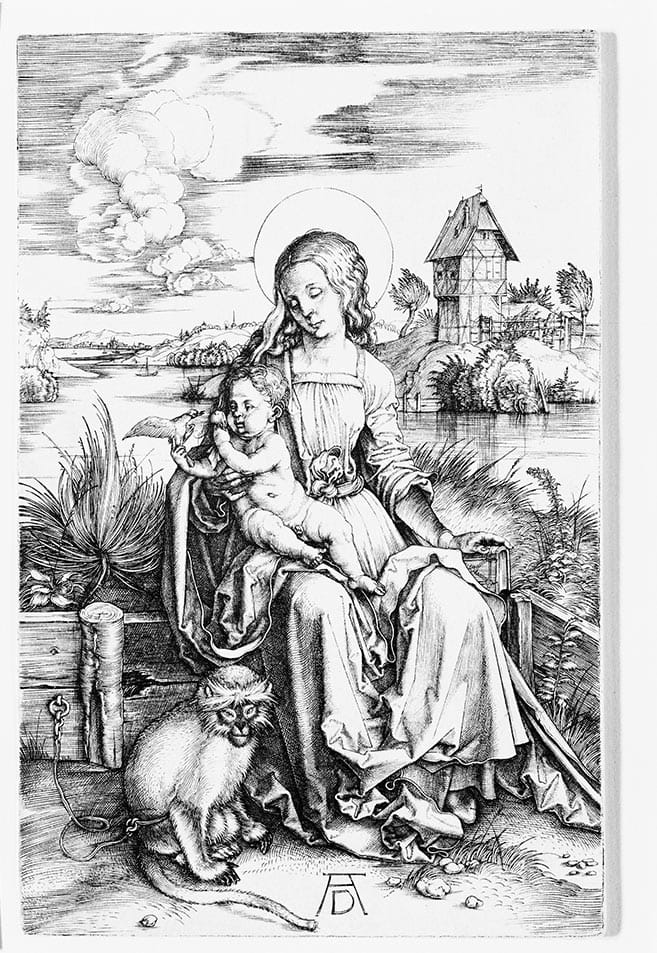
Coming soon to the Cabinet des estampes : The 25th anniversary of the Cabinet cantonal des estampes is an opportunity to (re)discover a major figure in the history of printmaking, Albrecht Dürer (1471-1528), from October 30, 2014 to February 1, 2015.
 Musée Jenisch Vevey – Cabinet cantonal des estampes, © Fonds Pierre Decker; Photo Claude Bornand, Lausanne
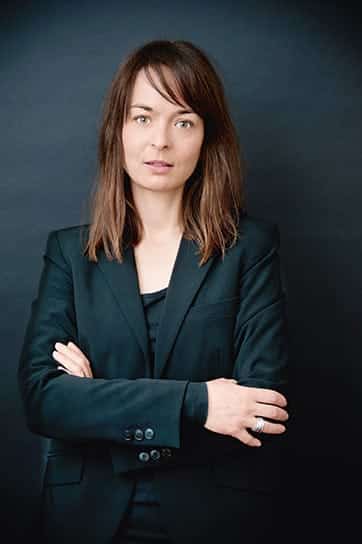
Three questions for Julie Enckell Julliard, Museum Director
What makes the Musée Jenisch so special?
The museum brings together the Cabinet cantonal des estampes and the Oskar Kokoschka Foundation. As the second-largest museum in the canton of Vaud, it aims to be eclectic. In a society where everything is digitized, the Musée Jenisch team is committed to researching and promoting art on paper.
What does it mean in concrete terms to promote art on paper?
With a collection of over 3,000 drawing sheets and some 30,000 artistic prints deposited in the Cabinet cantonal des estampes, the museum’s primary focus is on works on paper. In this sense, it is apt to profile itself as a place dedicated above all to this medium. Through its exhibitions, the museum likes to let its immoderate love of this material speak for itself, especially in the digital age.
You exhibit both young artists and works by major names. From Manon Bellet to Dürer, what links are you trying to forge?
With collections ranging from the Renaissance to contemporary art, the museum offers three temporary exhibitions a year. In the spring, a first solo show is given to an artist who has not yet been recognized by a museum – such as Manon Bellet, but before her Rudy Decelière, Ante Timmermans, Silvia Buonvicini, Denis Savary or Alain Huck. In this sense, the museum acts as a platform for the discovery of contemporary creative talent. In summer, a major exhibition takes a playful, no-holds-barred look at a great artist – such as Markus Raetz this summer or Hodler’s drawings in 2015 – or a theme to be revisited from a new angle. In autumn, a more “studious” exhibition looks at an iconic figure from the history of art, with a wealth of scientific support, while offering it in a way that is accessible to the public – like the forthcoming Dürer exhibition, for example.
Musée Jenisch
Avenue de la Gare 2
1800 Vevey
021 925 35 20
www.museejenisch.ch