

Search in progress...
mai 2026
Théâtre du Jorat
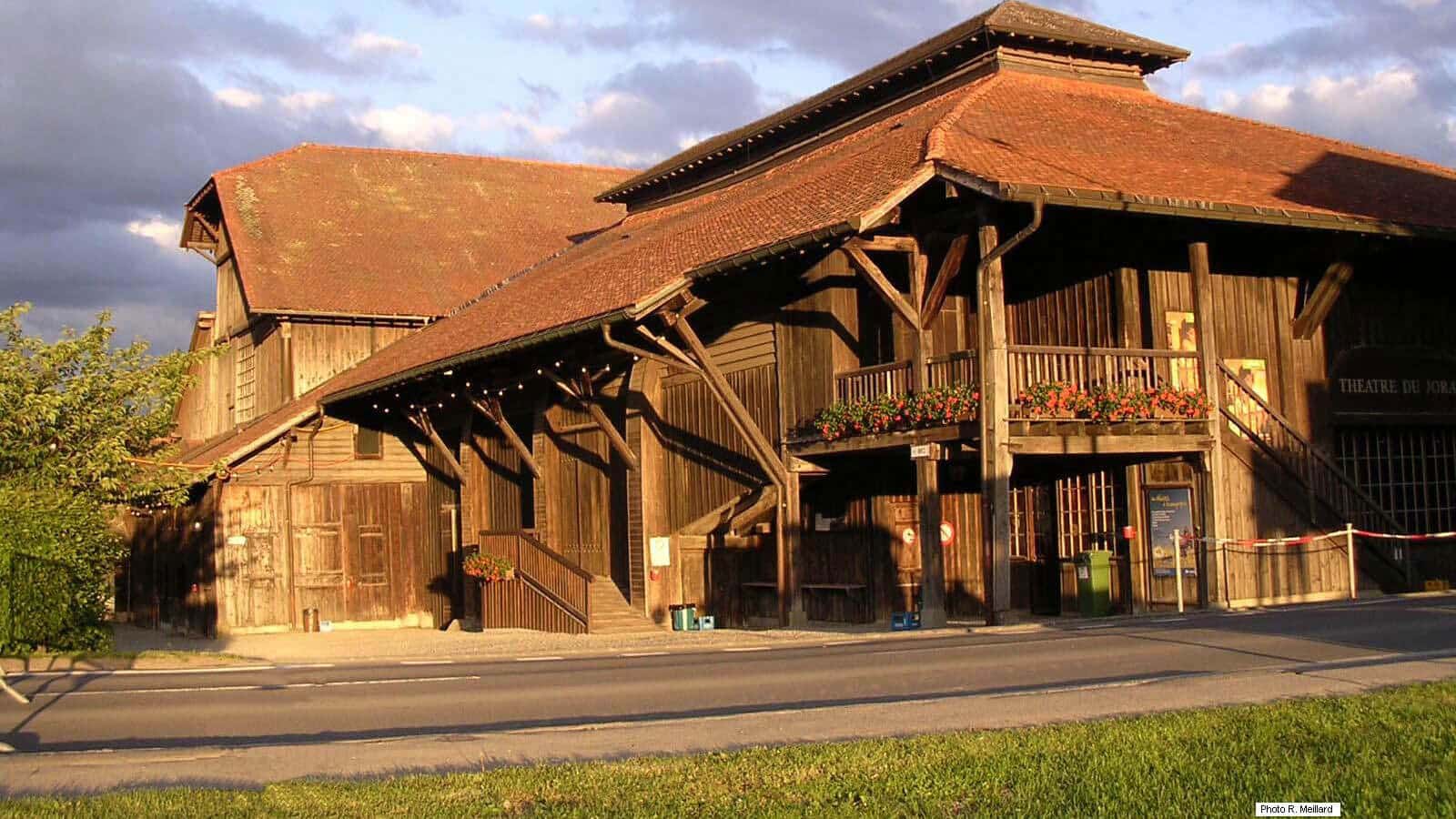
It’s a very special place, to say the least. To discover it, you have to get away from the city and its hustle and bustle, leave behind its concrete backdrop and put yourself in the green for an evening. For several decades now, people have been coming from far and wide, from all over French-speaking Switzerland and beyond, to attend the theatrical, musical and dance performances staged on the stage of this country theater so aptly nicknamed the Grange Sublime.
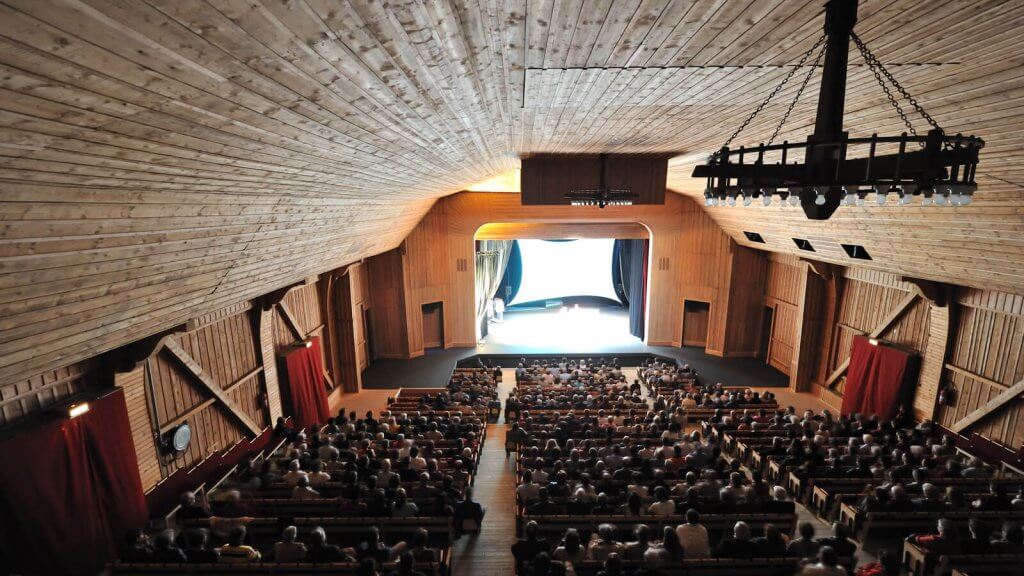
Its impressive wooden structure, built at the very beginning of the 20th century, is a showcase of authenticity in which the most diverse feelings are played out. From laughter to tears, in this unique venue, live entertainment expresses itself with a little extra soul that makes all the difference.
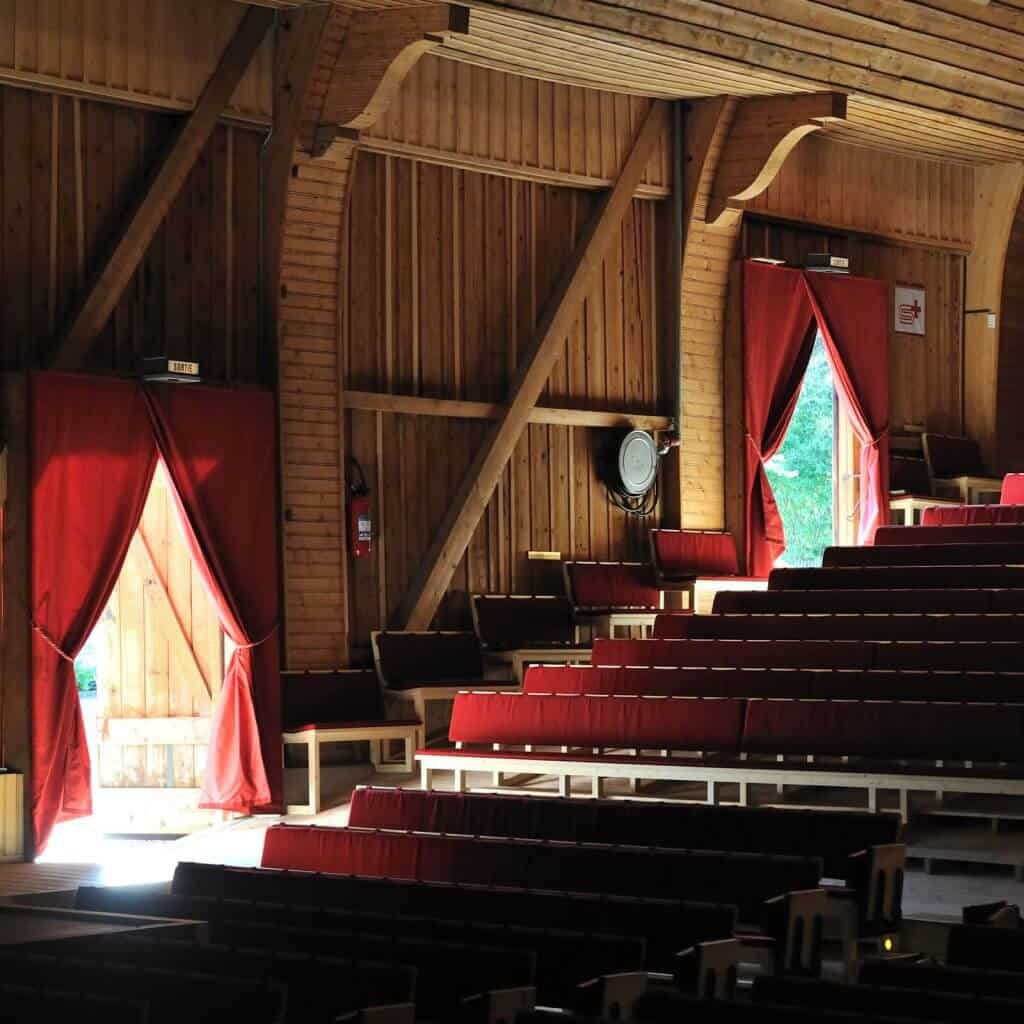
In addition to its superb architecture, rooted in a bucolic village of 1,200 inhabitants, the charm of the Théâtre du Jorat also lies in its past. A history born of the insane dream of its creators, then gathered around stage director René Morax, who was looking for a stage to present his new work, “Henriette”. The theater was built for the purpose. A sweet folly… In 1910, the same author staged “Aliénor”, which became a Jorat bestseller, since it was revived in 1926, 1965 and 1987. Classified as a historic monument since the early 1980s, this 1,000-seat theater has stood the test of time with its inventive creations, showcasing the art of live performance in all its diversity. Never consensual, always unifying, the Théâtre du Jorat is definitely a stage apart. One of those magical places that are well worth a visit…
Three questions for Michel Caspary, director of the Théâtre du Jorat
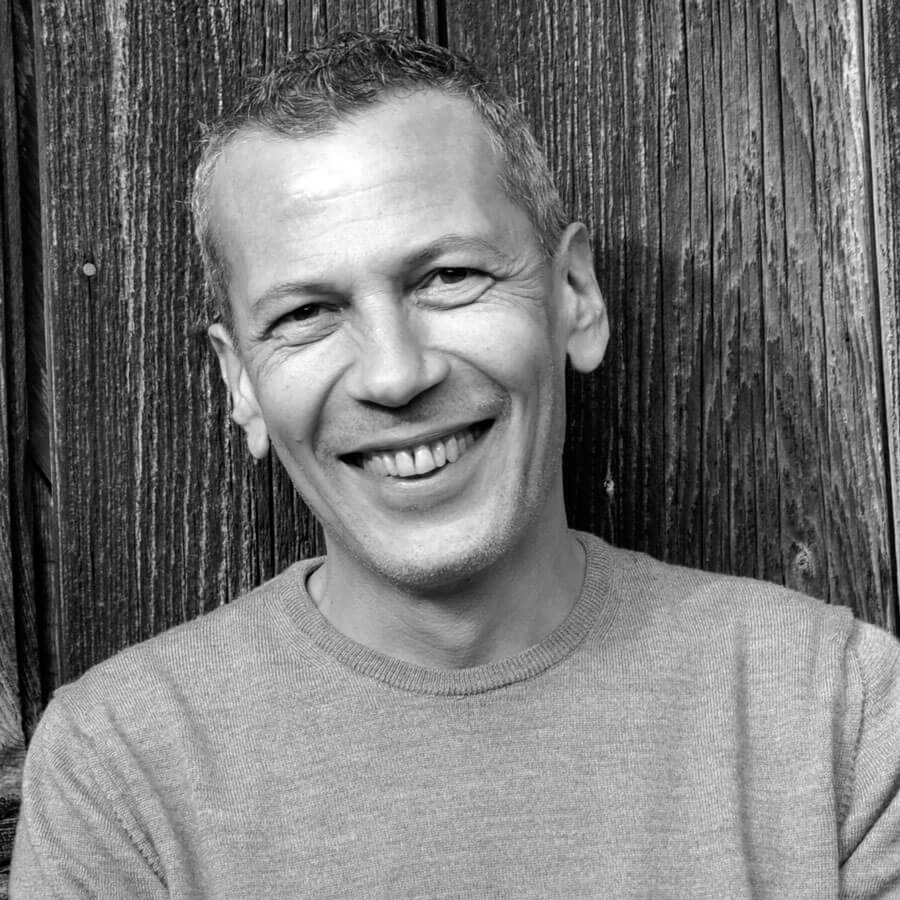
What were your objectives when you took over as theater director in 2011?
I have a very special bond with this theater. I’ve known its history since the 1970s, and I have to say that I’ve always been totally in tune with the place, its structure, its soul. That’s why I wanted to offer a program that would strike a balance between tradition and modernity. I wanted to extend its heritage, but also open it up to a new audience. We’ve expanded the season, which now lasts longer. We offer between 9 and 18 new productions, ranging from theater to dance, choir and song.
Is it more complicated to bring a theater to life in the countryside? Do audiences have different sensibilities and aspirations?
Today, we welcome several different types of audience, but the task is certainly more complicated for us than for a city theater. You have to be motivated to come. And yet, people come from all over Switzerland to see our shows. By train, by bus, by car… It’s quite incredible! Before each show, I always thank the audience for coming.
How would you define the venue’s artistic programming?
I’d say our programming is bold yet unifying. It’s a mix of heavy and lighter productions with a dose of risk-taking. You should know that the Théâtre du Jorat is only 20% subsidized by the Canton – which has moreover tripled its subsidy over the last 7 years. We need to find the right mix to attract audiences.