Search in progress...
mai 2026
Top Chrono!
In ancient Greek, kronos means time, graphein means to write. Writing time… This is how we should understand this complication invented in the early 19th century to measure time intervals to the nearest fifth, tenth or even hundredth of a second. Initially conceived as professional instruments, chronographs were long presented in wooden cases, before moving on to pocket-watch format and, finally, to the wristwatch version in the 1930s.
The precision of chronographs has continued to improve since their inception. A simple central chronograph hand, a split-seconds hand for measuring two events of different durations, bi-compax or tri-compax chronographs with 30-minute, 12-hour or 24-hour totals… Today, there are many variations on this watchmaking complication.
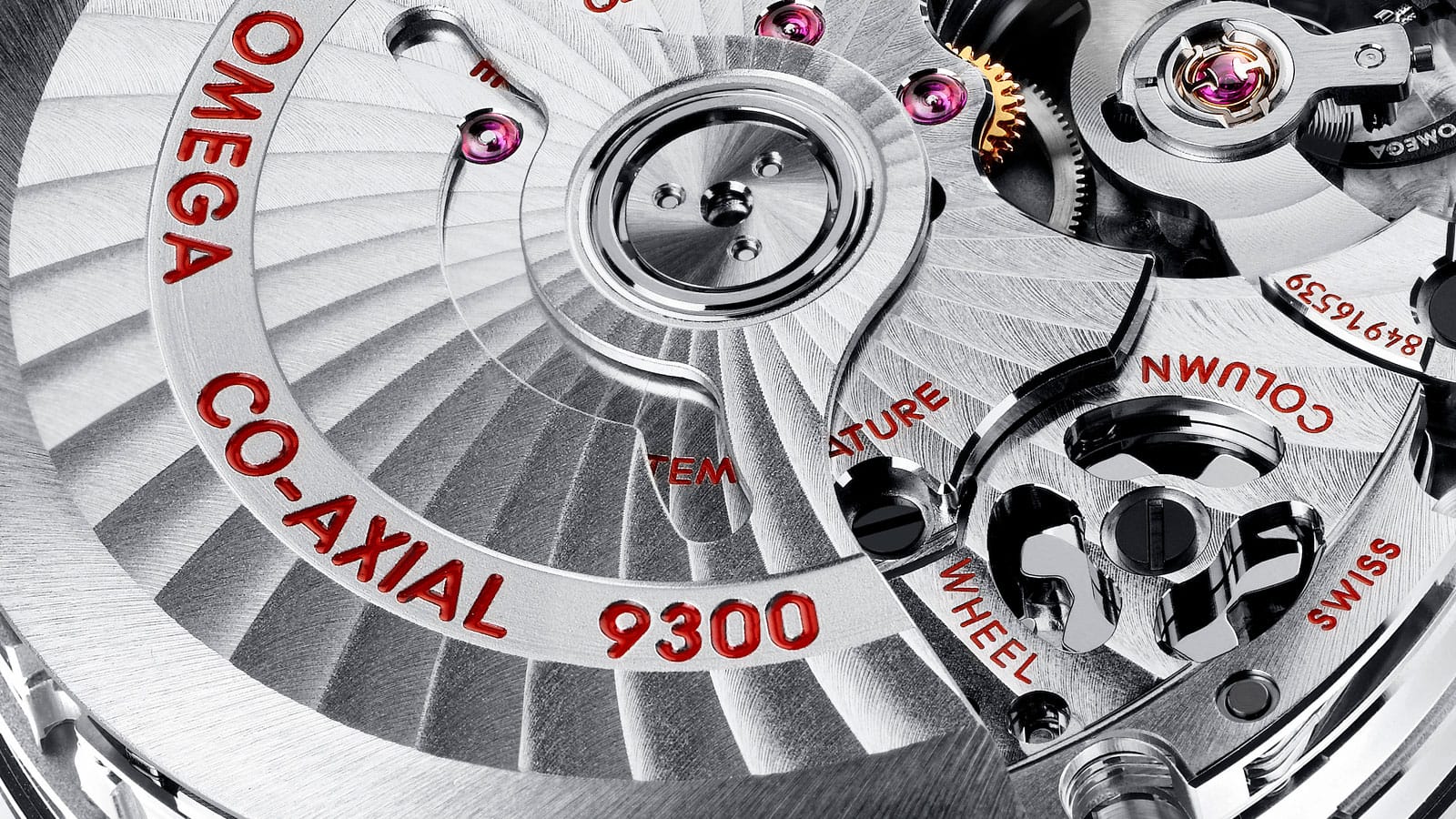
The mechanical complexity of the movement has evolved in parallel with innovation. There are two main components of the chronograph mechanism: the drive mechanism, which can be column-wheel (for the top-of-the-range models) or shuttle-type, and the transmission of energy, provided by the clutch, which comes in two forms: lateral or vertical. The lateral clutch features a wheel (clutch wheel) that moves against the chronograph wheel, tooth against tooth. The second, the vertical clutch, is usually more precise, since it avoids the play we find between two sets of teeth. Two mechanisms, two visions, but the same perpetual quest for accuracy in the measurement of time.
The latter can be examined by a certification body, such as the COSC (Contrôle Officiel Suisse des Chronomètres). It attests to the precision of the mechanism’s operation, thus guaranteeing chronometric reliability. Some brands, such as Breitling and Rolex, have all their
Chronograph vs Chronometer
Chronographs and chronometers should not be confused. The chronograph is a complementary mechanism added to the movement of a watch. It is used to measure elapsed time for sporting events, industrial operations, laboratory experiments, or any other application that requires knowledge of execution time. The chronometer is a label of precision obtained by an approved organization.
SPEED ICON
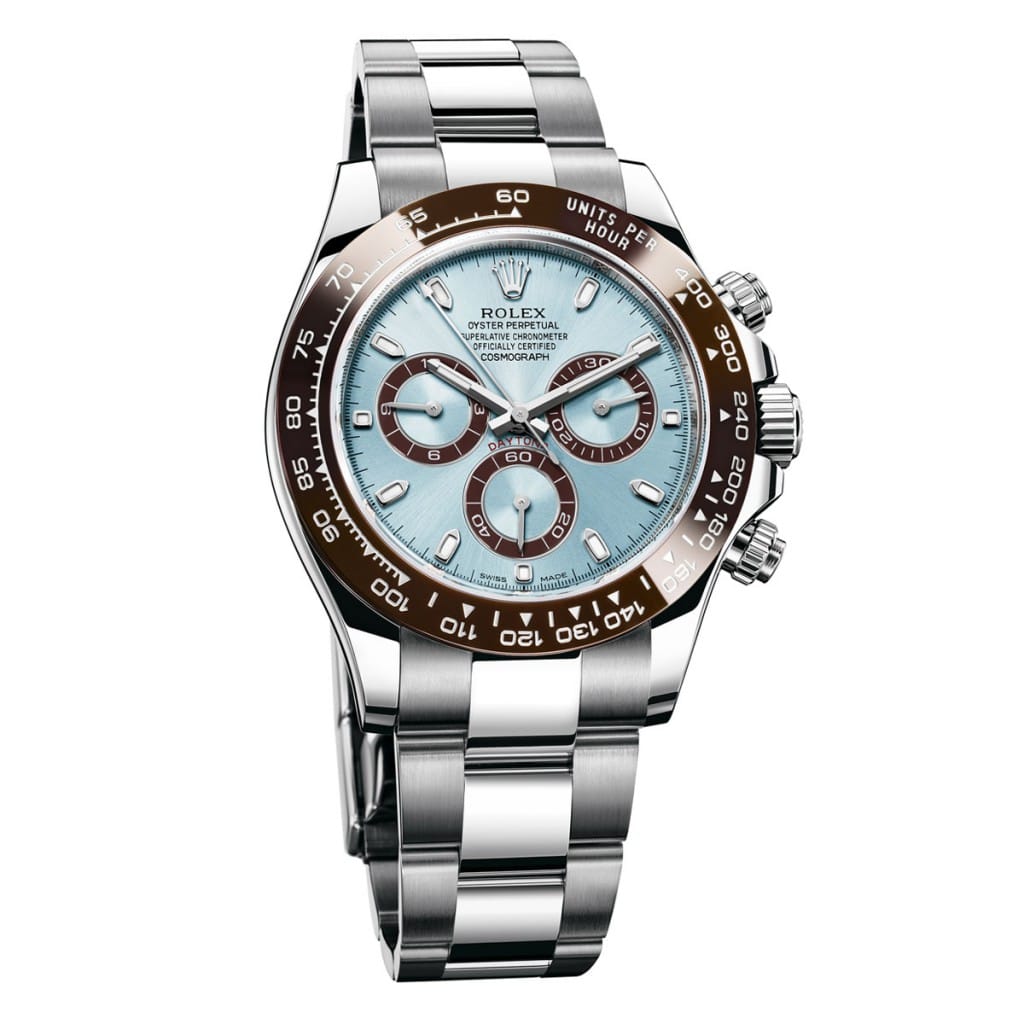
An iconic chronograph created for racing, the Cosmograph Daytona in platinum combines all Rolex’s standards of excellence. To the extreme precision of its Swiss chronometer-certified movement, capable of measuring times to the 8th of a second, Rolex combines perfection of design. Its 40mm platinum Oyster case topped by a brown Cerachrom bezel is a real winner.
Discover Lionel Meylan’s Rolex watches here
OPTIMAL FUNCTIONALITY
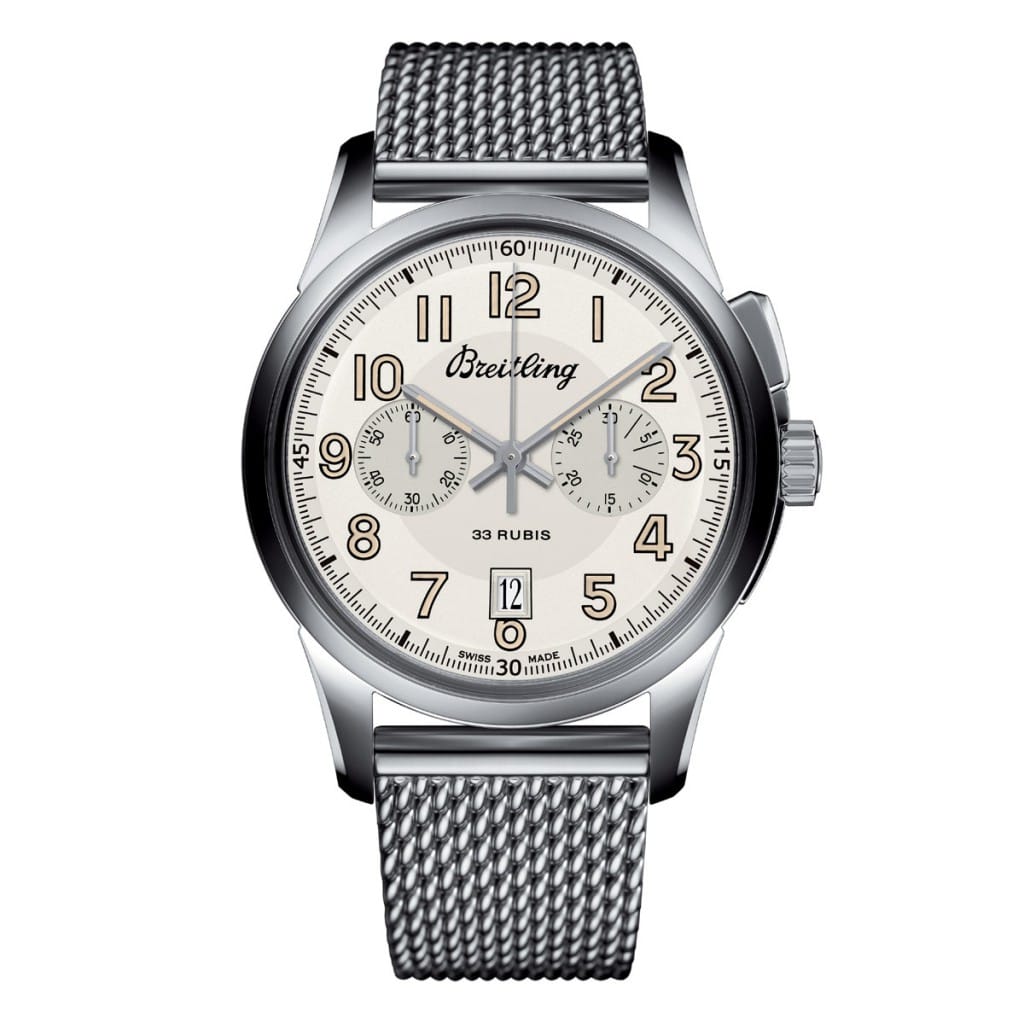
The Transocean Chronograph 1915 is a tribute to Breitling’s creation of the first independent chronograph pusher 100 years ago, and combines technology and vintage aesthetics. The hand-wound B14 Manufacture movement features a double column wheel. As for the famous mono-pusher, its highly functional elongated shape makes it easy to activate and stop time calculations to ¼ second and 30-minute increments.
More information on this watch here
SPORT AND REFINEMENT
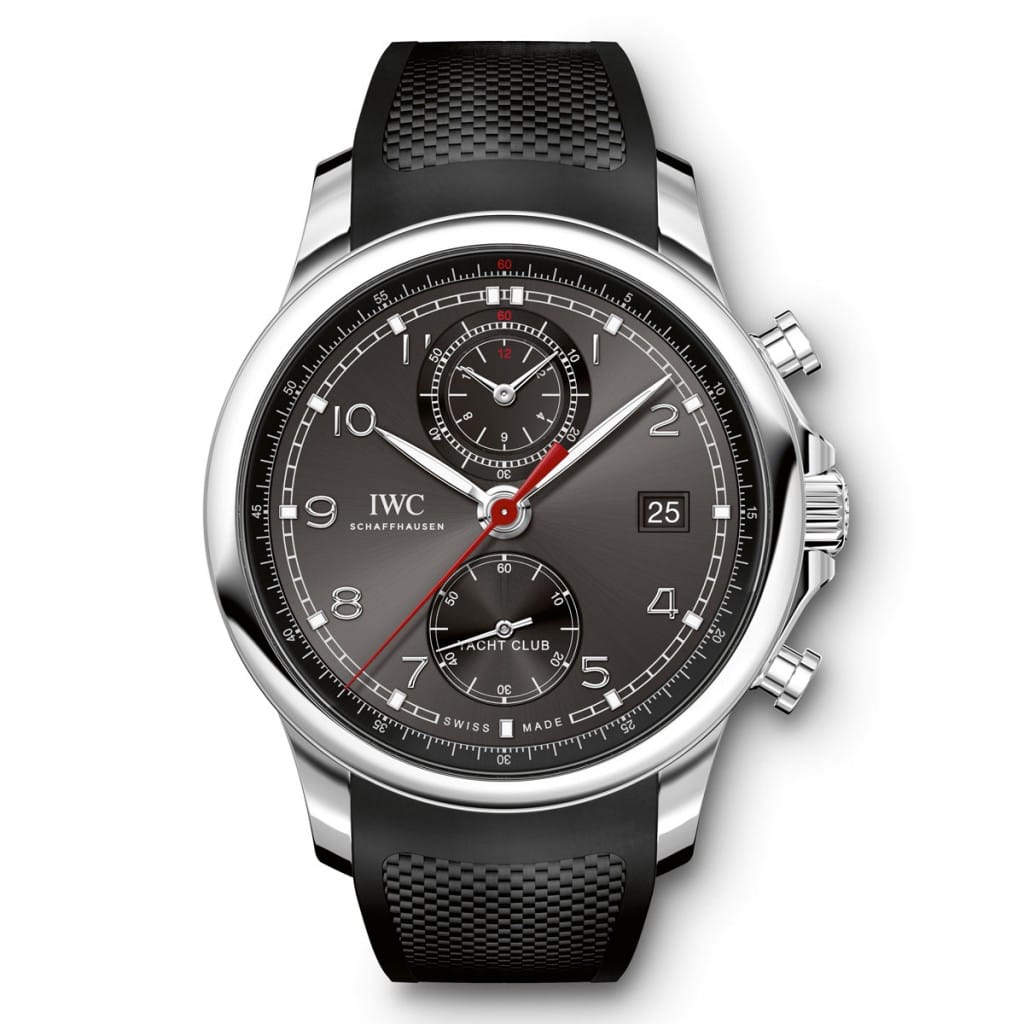
The Portugieser Yacht Club Chronograph is elegant, combining hours and minutes in a single chronograph counter, making elapsed time easier to read. What’s more, this chronograph is equipped with a flyback function. Without stopping the timing, it is possible to reset all counters to zero and start a new measurement with a single press of the reset pusher. In a very reasonable 43.5mm diameter, IWC plays the precision card by combining sport and refinement.
Discover Lionel Meylan’s IWC watches here
IMMACULATE PRECISION
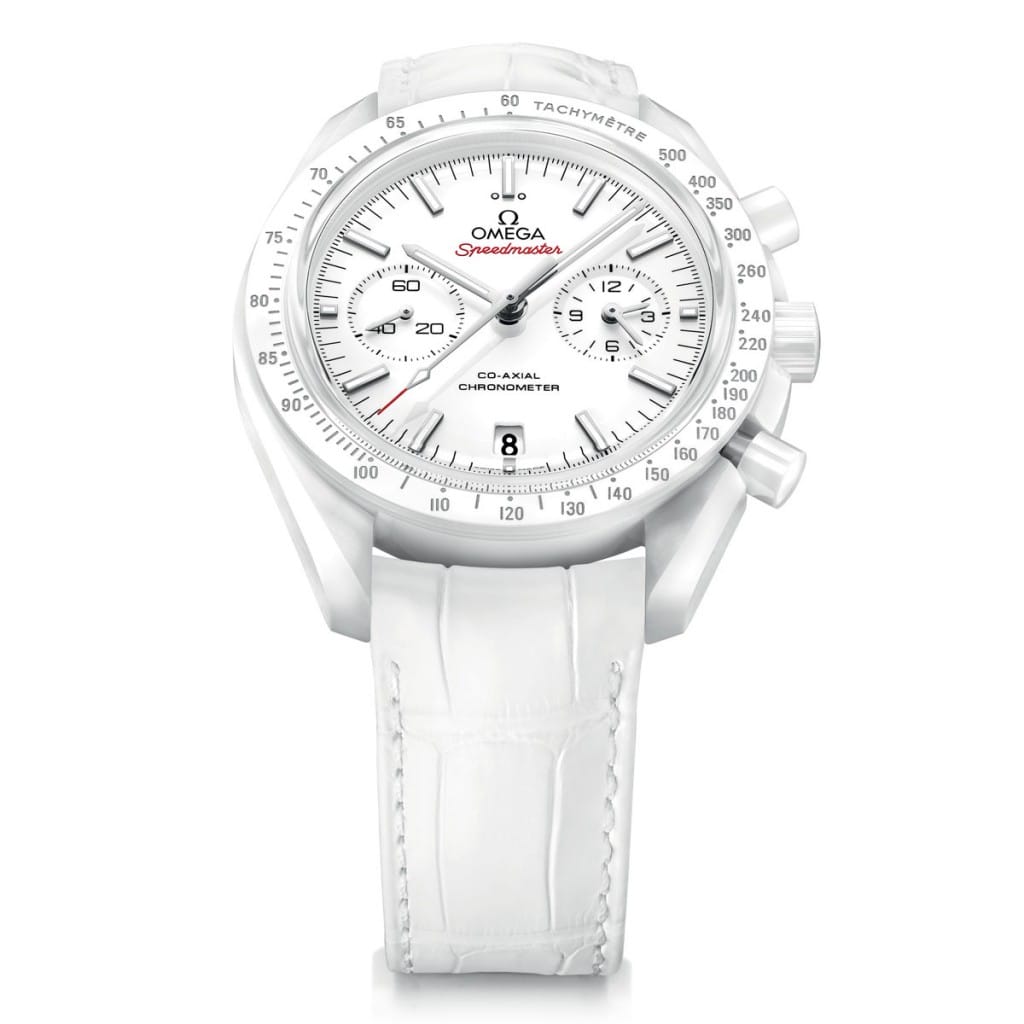
The Omega Speedmaster White Side of The Moon chronograph is innovative in every way. Firstly, because it is made entirely of white ceramic. Then, because its 44.25mm diameter houses the famous caliber 9300, a self-winding mechanical movement equipped with a column wheel and the famous Co-Axial escapement with Si14 silicon balance spring. Extreme precision, stability and durability…
More information on this watch here