
Search in progress...
mai 2026
Tourmaline, the rainbow gem
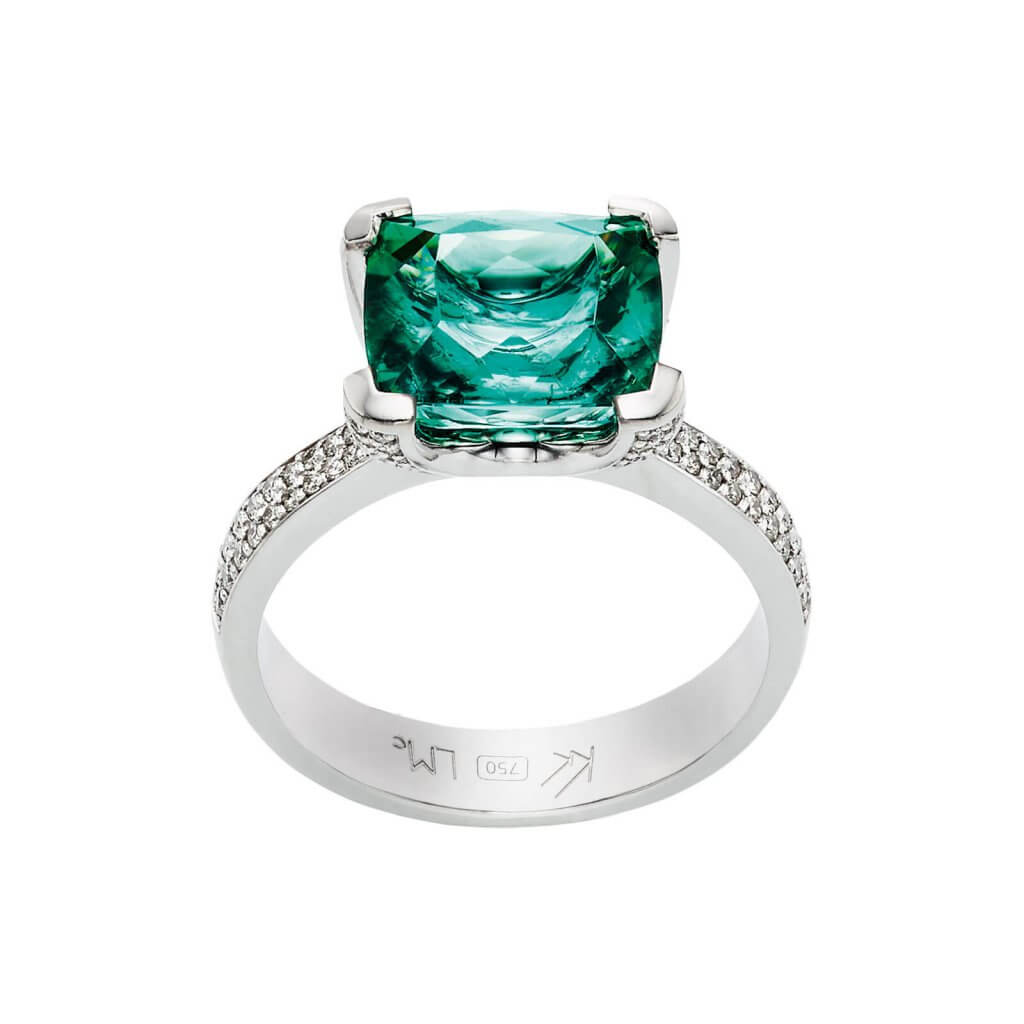
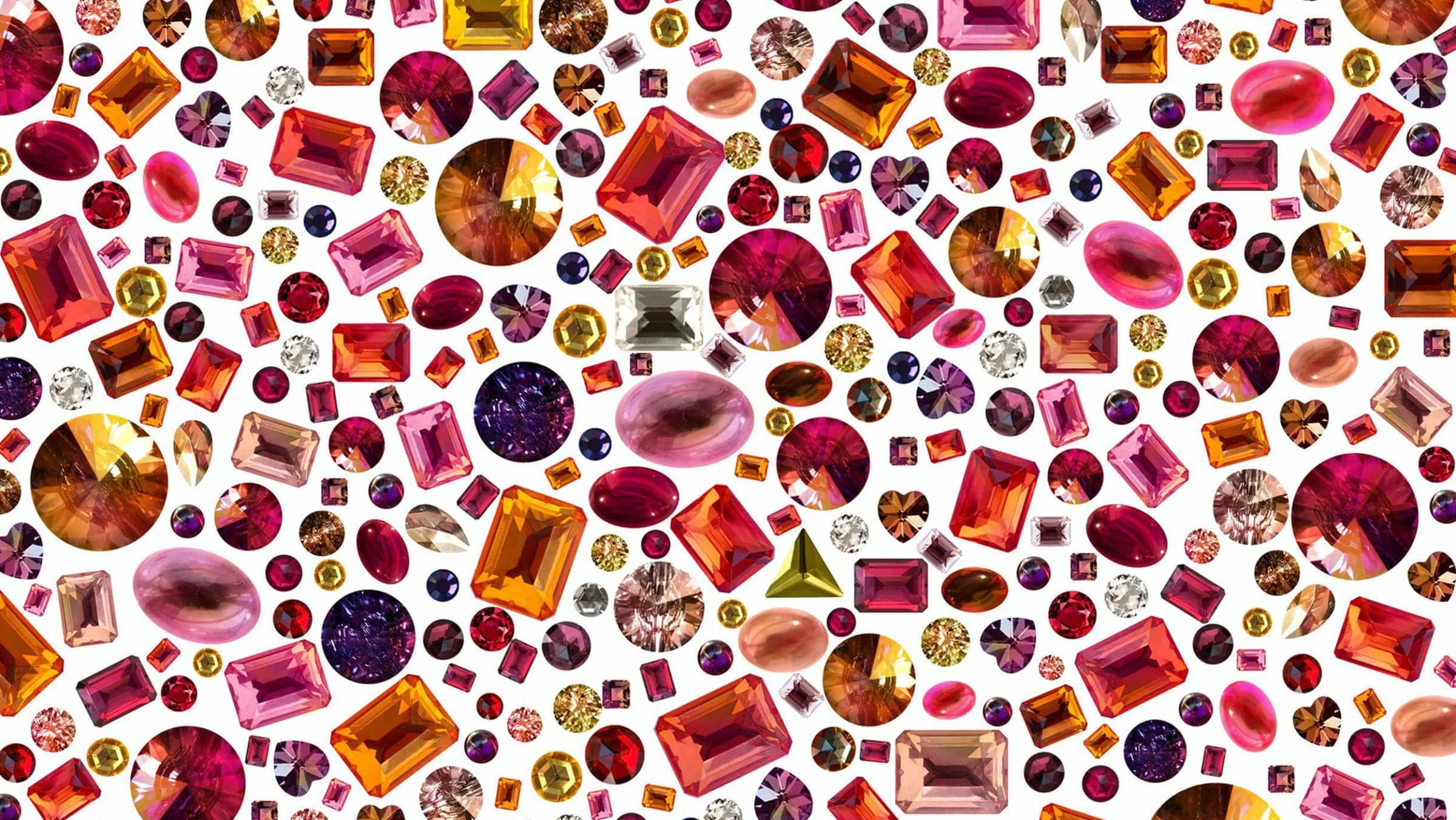
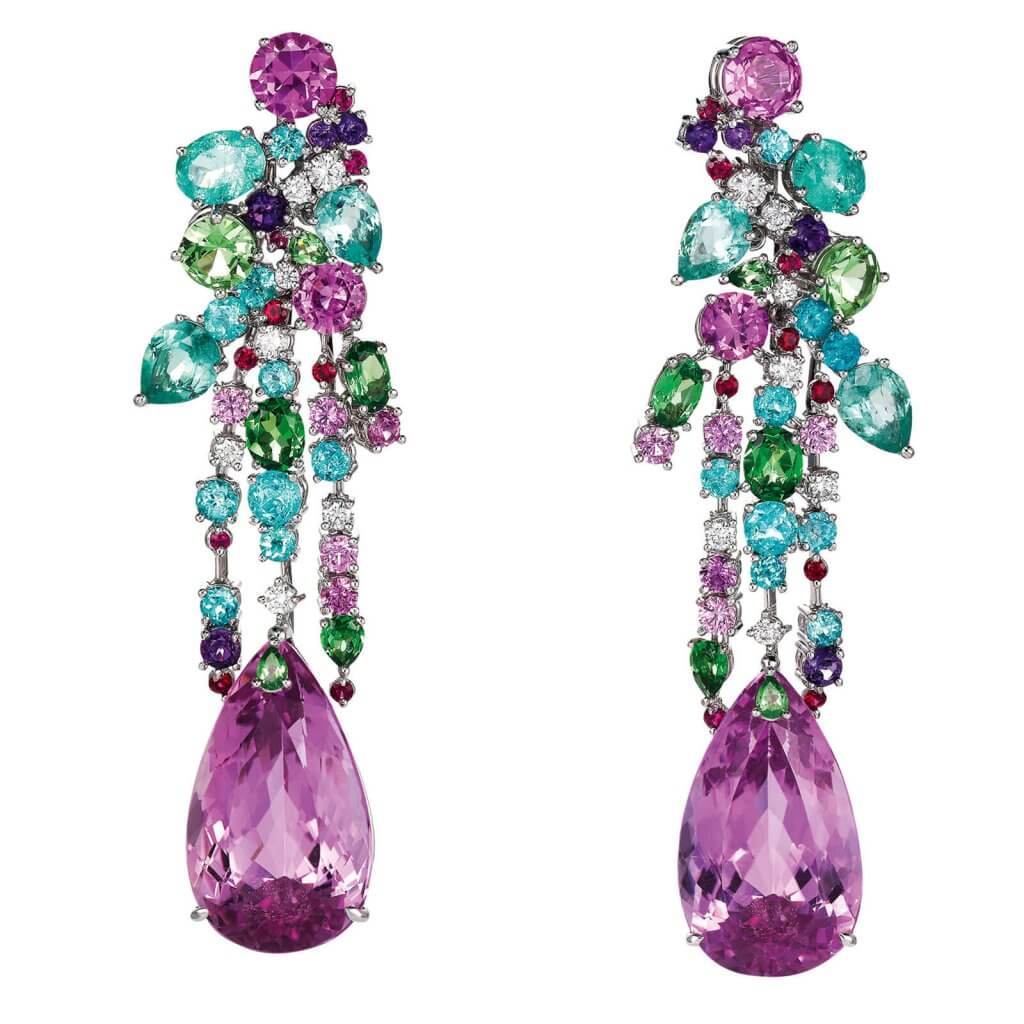
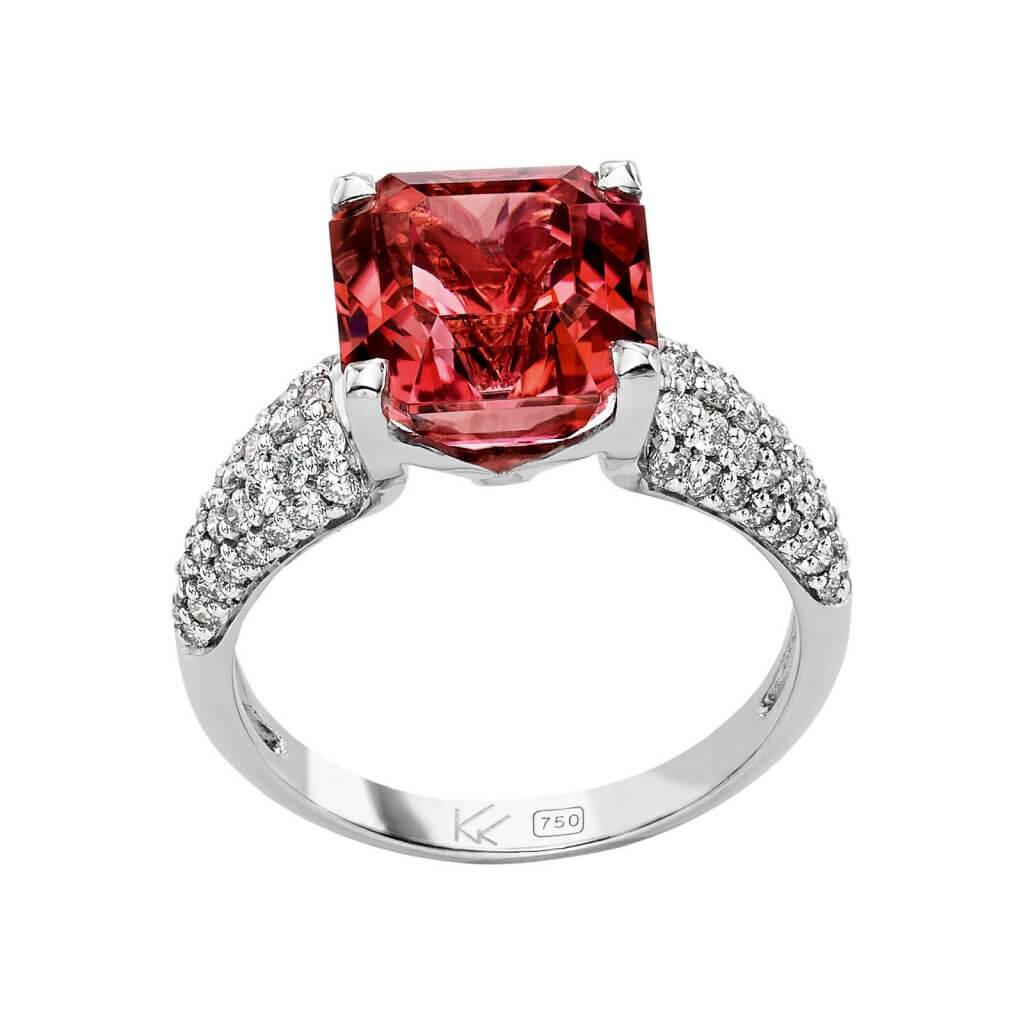
In the tourmaline family, ask for indigolite and its blue-green reflections, rubellite and its intense raspberry-red light, the watermelon stone, Paraïba tourmaline and its neon-blue hue or Siberite and its gourmand fuchsia pink… Both unique and protean, tourmaline has the formidable property of surfing the colors of the rainbow.
It’s to this infinite variety of hues that this fine stone owes its name. Its etymology, Thoramalli, means “stone of many colors” in Sri Lanka. Often confused with ruby, with which it shares the intensity of its red color, tourmaline is mined in Nigeria, Mozambique, Sri Lanka, Pakistan and Madagascar.
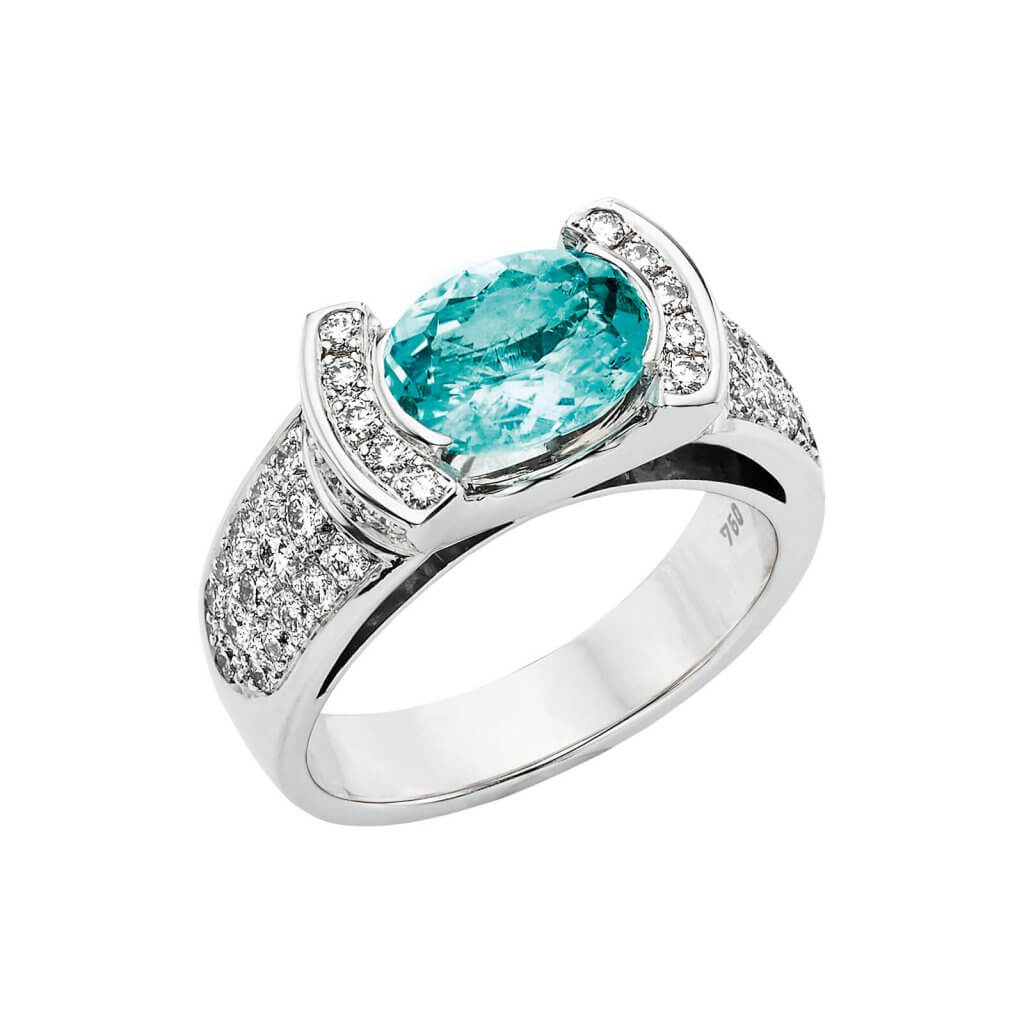
But it’s in Brazil that the most prized tourmalines are found. In particular, the Paraïba tourmaline, discovered in the 1980s, whose neon blue, as rare as it is fantastic, has been electrifying gem lovers ever since.
UNLEASH YOUR CREATIVITY
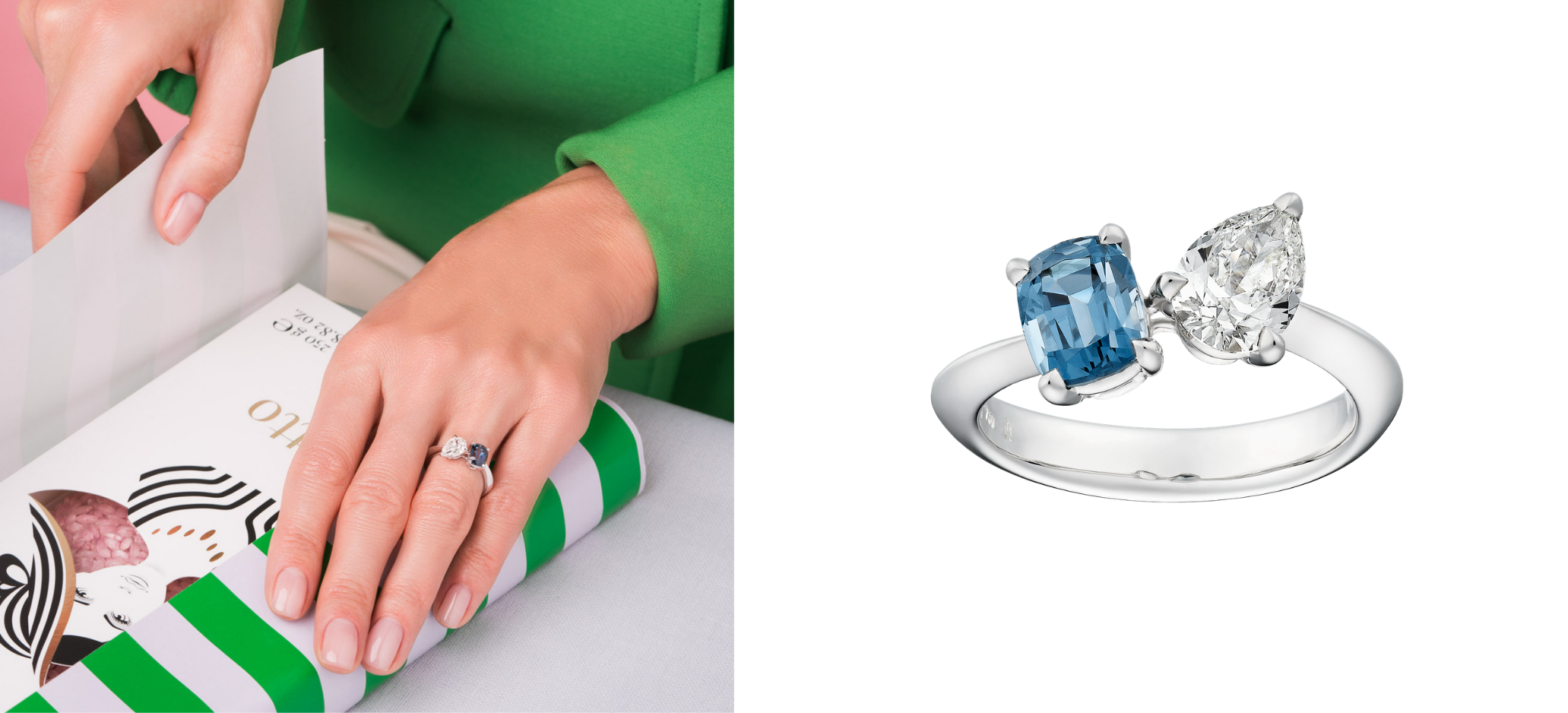
Its hardness, ranging from 7 to 7.5 on the Moss scale, and the vast palette of colors in which it is available, make it ideal for all types of settings, on all kinds of jewelry. Any shape is permissible, as long as it highlights the infinite multicolored gradations achievable with tourmalines. Pendants, earrings, rings… Cabochon-cut tourmalines can also be used to their best advantage, as they reveal the famous cat’s eye, a line similar to the pupil of a feline. This rare phenomenon is revealed to the lucky few.
AROUND THE WORLD
Tourmalines are found on every continent. Europe is no exception, with mines in Germany, Austria, Great Britain, France, Italy, Norway and Switzerland. But you have to cross the oceans to find the most beautiful varieties of tourmaline. Discovered in 1820, elbaite from the Mount Mica mines in Maine, USA, is renowned for its exceptional clarity. Further south, in the Brazilian state of Minas Gerais, an old disused mine has yielded a veritable treasure trove: a small cave filled with fuchsia-pink tourmaline crystals over a metre high. A fascinating discovery!
QUEEN IN CHINA
Unlike other gemstones, there are no famous examples of tourmaline in history. It is known, however, that while tourmalines have always been highly prized, their main admirer was the Empress Dowager of China, Tzu Hsi, who ruled China from 1860 to 1908. She bought considerable quantities from a mine discovered in California during her reign. Used in intaglio, for watch chain bars or jacket buttons, tourmaline was a great success at court.